You will find that tattoo ink safety regulations in Australia for 2026 are a matter of both chemical controls and the health rules of the state or territory. There is no single national licence to cover all finished ink on the market. The Australian Industrial Chemicals Introduction Scheme (AICIS) has oversight of industrial chemicals being brought in; as for skin penetration, infection control and the like, that is left to local councils and the health departments of each state and territory.
It is an important distinction. A studio may be spotless with its autoclave and use only single-use needles to ward off infection, yet that is no guarantee the pigment is devoid of heavy metals or other hazards. And sensible labelling on a product is not a poor man’s substitute for safe handling. Put simply, one must pay attention to the procedure as well as the ink. For more lip tattoo information, leave a mozzie-sized opening in one and it can turn into something more.
What is different in 2026?
The 2026 context does not point to any new national law to supplant the present arrangement. In practice, ink safety is still governed by a combination of the artist’s quality controls, import and supply obligations, council and state/territory rules and chemical regulation.
With two territories and six states in Australia there are eight jurisdictions to take into account. The public-health objectives are much the same but the enforcement and paperwork will not be. A tattoo operation in New South Wales could be subject to licensing or inspection of a different order than one in Queensland, Victoria or the Northern Territory.
Compliance in a nutshell
“Is the ink legal?” is not the question consumers should be asking. Better to enquire how the studio goes about the procedure, who put the ink into Australia, what it contains and is stored like, and the nature of its labelling.
Do not expect a tidy answer. The rules in this country are applied in varying ways to business activity, cosmetic products, the ingredients in a pigment and the ink itself. Then there is the matter of international supply chains; traceability and where the ink is sourced from is of some consequence.
Are they regulated?
In so far as Australian chemical and public-health controls are concerned, yes. But do not mistake that for a comprehensive national standard for tattoo ink. “Regulated” is a word that requires some context. It could mean anything from local approval of the premises to product claims, importation or the prevention of infection.
Be wary of an artist touting “government approved” unless he can tell you precisely which authority has given its nod. Council approval or registration is of the business and the work done there, not an indication the government has put every bottle of pigment to the test.
Two sides to a safe tattoo
One has to consider the risks of the ink, such as mislabelled components or contaminants that might set off an allergic response. Then there are the risks of the procedure: bloodborne infections, sharps disposal, cross-contamination and hand hygiene. To look at only one is akin to inspecting the tyres of a road train and making a habit of overlooking the brakes.
Who is in charge?
A number of authorities have a part to play. AICIS is part of the national framework for managing chemicals. Public-health requirements for skin penetration are overseen by the health departments at state and territory level, with the local council on hand to inspect the premises. Should a product put forward therapeutic or health claims, other regulators come into play. How it is represented and makes its way into the Australian market will determine the pathway.
Local rules have their place
They will dictate the standards for record-keeping, sterilisation, waste, handwashing and the management of sharps. Some will want notification or training from a skin penetration business. The owner ought to know his local authority.
If one is looking into tattoo regulations in NSW, the information from New South Wales public-health or local-government is a better bet than some overseas forum. Identify the jurisdiction and then see what the health department and council have to say. That is the way to go in any part of Australia.
As for chemical law,
the Industrial Chemicals Act 2019 is the basis for the scheme under which AICIS handles the introduction of industrial chemicals to Australia. While this framework has its importance, one should not take it as a guarantee that each and every finished tattoo ink put to use has been the subject of individual testing and approval.
The obligations AICIS places on an importer or introducer are a function of many things: the chemical in question, the volume and purpose of introduction, the circumstances and who is doing the importing. A studio with an Australian supplier for its inks will find itself in different waters to an enterprise bringing pigment in from overseas.
What AICIS Will Not Tell You
Compliance with AICIS or being registered does not give a customer carte blanche to assume an ink is right for his skin, free of allergens or batch tested. Nor is it any substitute for proper infection prevention at the studio. For an authoritative view of the national chemical scheme, the Australian Industrial Chemicals Introduction Scheme information from AICIS makes a good official reference. Still, a consumer would be well advised to put to the artist how the finished ink is documented and where it comes from.
A Matter of EU REACH
The European Union’s REACH is much talked about on account of the restrictions it put in place for some substances in permanent make-up and tattoo inks; “REACH compliant” labels and the accompanying paperwork are de rigueur in the international market. But do not mistake an EU label for Australian law. An ink intended for Europe might come with documentation of value but the label is not a magic wand for compliance here. It is something to have a discussion about.
Take REACH for What It Is
If an artist claims an ink is EU REACH compliant, find out what that means for the product and batch at hand. A non-committal response is cause for caution. Inquire of the supplier for batch details, safety data and a declaration of ingredients. Then there are the international labels which can be poorly translated, incomplete or even off the original container. The pigment bottle should be sealed, identifiable and within its use by date, and stored as the manufacturer directs.
On Heavy Metals and Carcinogens
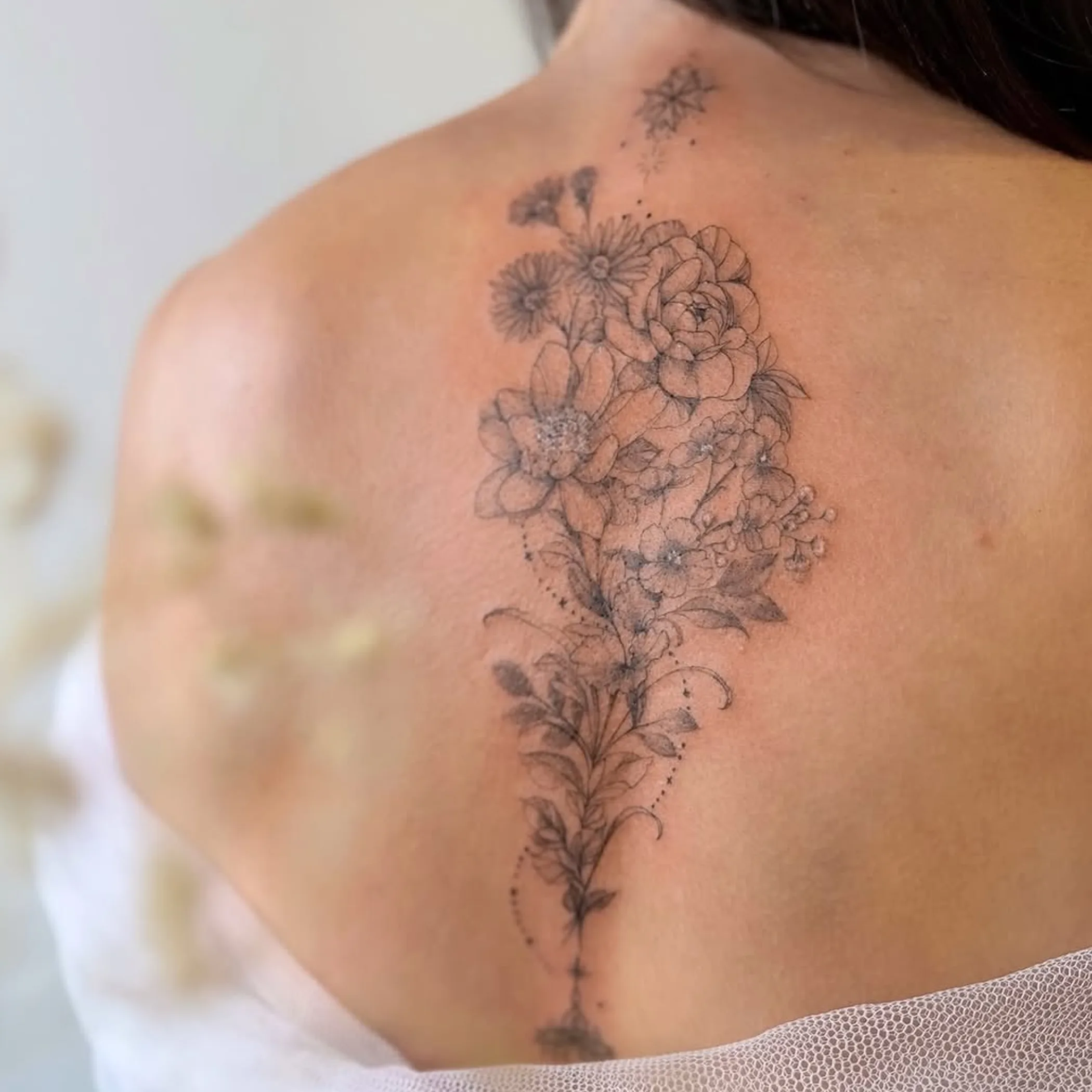
One will see searches for lead, arsenic and antimony in relation to tattoo inks in Australia. Hazardous they may be, but it is the form and concentration of the chemical that counts. A name on an ingredient list may sound alarming without there being any risk from the product; conversely, without the full list an informed judgement is hard to come by. Some inks have components that could be irritants or present a carcinogenic worry, yet it is not as though every tattoo results in poisoning. Sourcing and labelling ought to be given more consideration than a colour chart.
Reactions and Poisoning
Not every difficulty after a tattoo is down to ink poisoning. Skin trauma will bring on some redness and swelling and tenderness. Should the redness spread, or if there is pus, fever, escalating pain or a general malaise, seek medical attention without delay. An allergic reaction can be immediate or it can show up later. A health professional needs to see a rash or raised skin that will not go away or goes beyond the tattoo. Leave the area alone, no scraping or bleaching or household remedies. That is the way to make a rough situation of what was otherwise manageable.
Hygiene Standards in the States
Public-health frameworks in the various states and territories and their local enforcement are what provide for tattoo hygiene standards in Australia. There is room for variation in requirements but a reputable operation will have procedures to keep clean and soiled items apart, sterile equipment, safe disposal of sharps and so forth. Make sure you know how opened pigment is dealt with and whether the needles are single-use and opened before your eyes. Reusable gear should be autoclaved. And an artist will not be putting unused ink back in the main pot. Such things are telling of a disciplined system.
Reality Check
Expectation: You might expect a studio of a certain look to be proof of sterile practice.
Reality: The reality is a spotless waiting room says nothing of the ink traceability or the autoclave cycle. Direct questions are in order before the needle is brought to your skin.
| What To Check | Why It Matters | Useful Question |
|---|---|---|
| Needles | to forestall cross-contamination | Opened in front of me and single-use? |
| Reusable equipment | to see if sterilisation is under control | How do you go about cleaning and sterilising? |
| Pigment bottles | For identification and traceability | Show me the label and batch and expiry. |
| Work area | To keep contamination at bay during the procedure | What is done to protect and clean the surfaces? |
| Records | In case of trouble one can identify the product | Is the pigment batch put on record? |
Choosing Safer Tattoo Ink
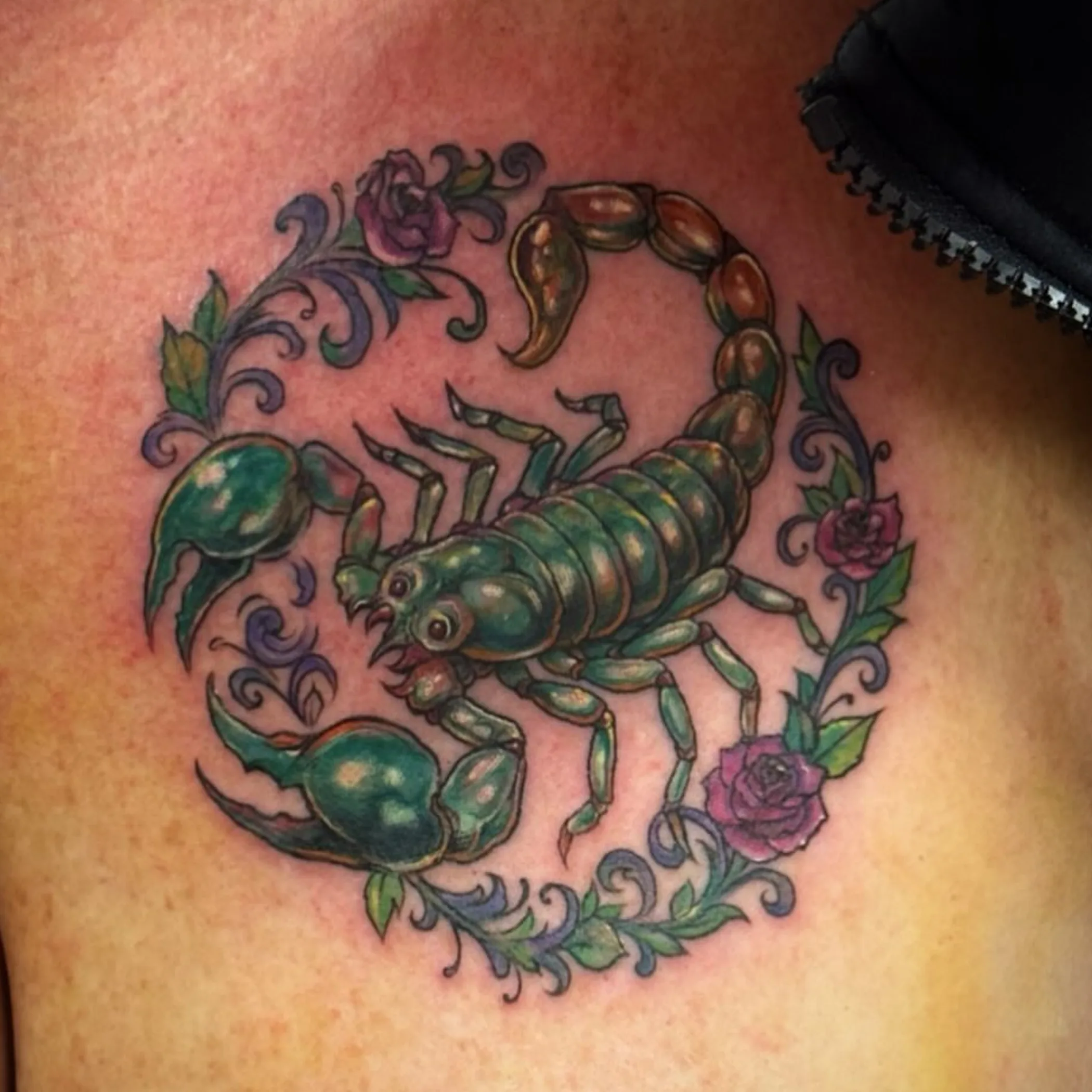
You will not find a consumer label of any kind that vouches for an ink to be without risk. In the course of a search for safer tattoo inks in Australia one ought to come across a studio willing to put forward its product documentation and storage procedures, to name its supplier and to have a plan in place should a customer have a reaction.
An artist is not to be selected on the basis of how well the colour comes across in an online photograph. Put questions to him or her regarding batch testing, labelling and where the ink is sourced. Should the artist be unable to produce a legible label or put a name to the manufacturer, put off the appointment. A permanent matter does not warrant a “she’ll be right” attitude.
A Pre-Appointment Checklist
- Make sure the business is in compliance with local council, state or territory rules.
- Find out what range of products and which manufacturer is to be put to use.
- Get details on the ingredients, how they are stored, their expiry and batch numbers.
- Verify that needles are single-use and any equipment that is reused has been subjected to proper sterilisation.
- The artist should be made aware of any medicines you are on, allergies, skin issues or past reactions to tattoos.
- If the place is not up to scratch on cleanliness or the artist is evasive on the subject of safety, do not go ahead.
When there is only one appointment to be had, make time for a consultation instead of making a rush job of it. With permanent make-up or cosmetic tattooing there is more to consider than just the colour: touch-ups, removal limits, patch-testing and the way the pigment might alter. Those with a propensity for scarring, immune issues or poor healing would be well advised to see a doctor first.
Your Artist
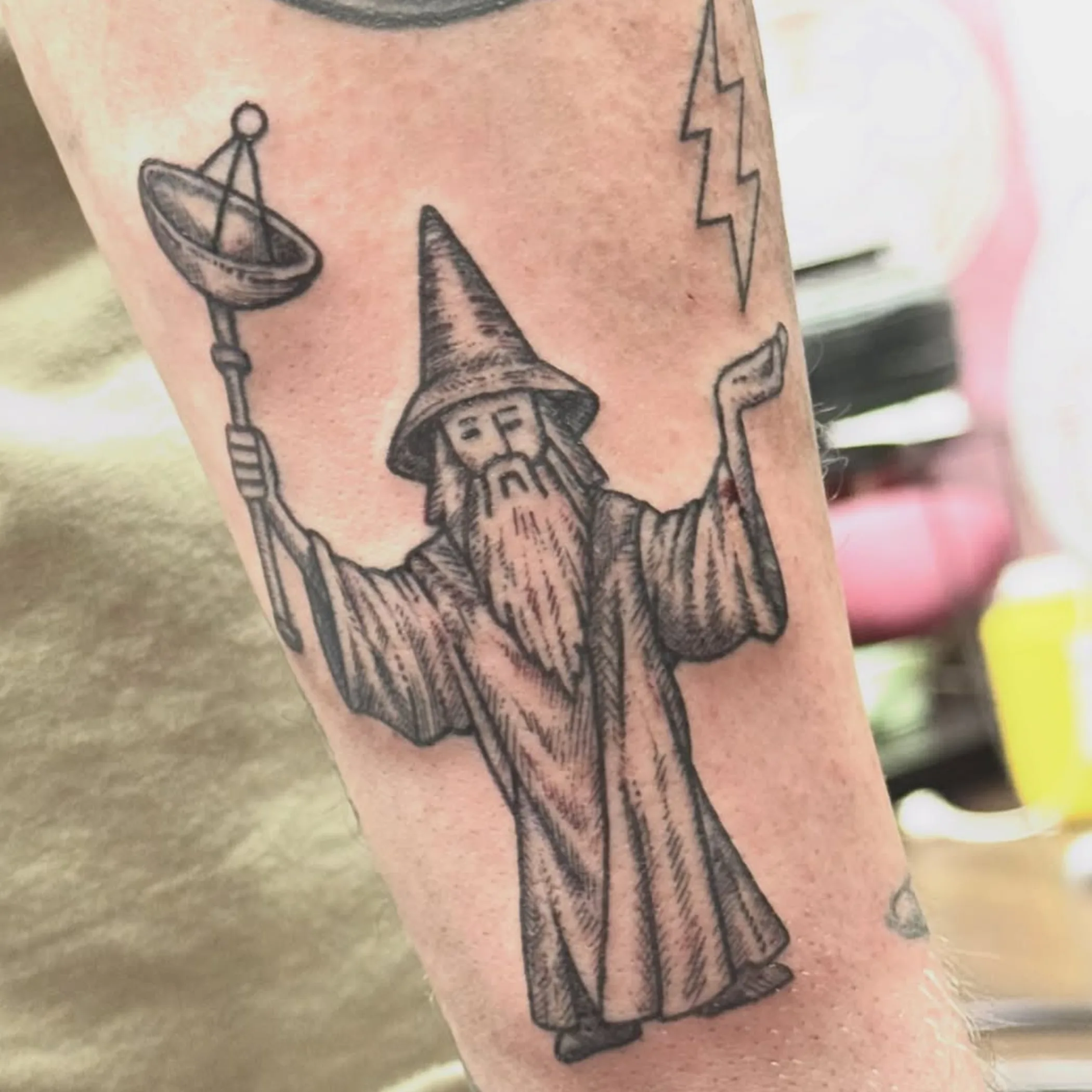
There is no need for a clipboard or an interrogation lamp, nor a degree in chemistry. But a good artist will give you straight answers and enough data to decide whether to stay or to walk away if the story does not add up.
Probing Questions
Where was the ink bought? Did an Australian supplier you can identify put it on your desk? Insist on seeing the original container, not some unmarked squeeze bottle. Does the studio keep a record of the batch for every client and what is the protocol for a recall?
In the case of cosmetic work on brows, lips or eyeliner, ask if the hygiene standards are the same. For lip tattoos in particular you want to know about aftercare, pigments and cold-sore history; the mouth is not an area for guesswork and something looking fine on social media is hardly a safety measure.
FAQs
What follows are the sort of questions put before a booking. The answers are straightforward but the decision must be based on the studio, the product and one’s own health.
Tattoo Inks: Regulated in Australia?
They are, by way of national chemical controls as well as public-health stipulations at the state, territory and local level. There is no one all-encompassing national approval for the inks in a studio.
Regulation of inks?
As far as their use, claims, composition and importation into Australia goes, yes. The procedure itself is regulated under separate infection-prevention and skin penetration rules.
Is UV Ink illegal?
Do not take the fact it is on sale as licence to believe a blacklight-reactive pigment is safe or legal. Have the artist put forward the product identity and proof it is meant for the skin in this market, along with the supplier’s papers. If he cannot, then do not proceed.
Any effect on an MRI?
While serious trouble is rare, some have had tingling or irritation from their tattoos during an examination. It is best to follow the provider’s directions and not hide a tattoo from medical staff.
Toxicity?
Without the specifics of the substance and how an individual might respond, “toxic” is too sweeping a term. Pigment is being put in the skin so there is always the chance of an allergic response or infection. A decent studio will lay out the product information and aftercare, but no tattoo is risk-free.
Opt for the Safer Option
The 2026 position on tattoo ink regulations in Australia is not a dramatic one. While AICIS has its part to play, it does not absolve the need for local oversight, sensible questions from the consumer or state hygiene rules. Responsibility is diffused through a number of systems.
Treat the planning of an appointment like a long drive: check the route and the equipment and be prepared to turn back. An artist who makes a habit of infection prevention and is open to questions is to be preferred. Ten minutes of your time beforehand is a small price to pay for the assurance that comes with better information when making a commitment to permanent ink.
