May through October is typically when one should plan to be at the Great Barrier Reef in 2026. It is drier out with less rain, water visibility tends to be superior and you are not as likely to be put off by tropical storms. For a full-day on the reef, these dry winter months are what first-time snorkellers, scuba divers and families look for in terms of dependable conditions.
Then there is November to April. You can have a fine day on the reef if the sea is cooperative, but expect more humidity, rainfall and the prospect of marine stingers or some disruption from the weather. I have been in Queensland tourism long enough to know that the warmest date on the calendar is not necessarily the best one to travel; a well-put-together itinerary and a calm sea will put a good showing of a forecast to shame any day. Simon Bradshaw.
Reef Seasons At A Glance

A little knowledge of the seasons goes a long way to simplifying your plans, including the optimal seasons for US coastal vacations. The wet season has its warmer waters and verdant coastlines but also the odd storm to throw a spanner in the works at short notice, whereas the dry season is more predictable.
What is ideal depends on the traveller. A diver might be after the water temperature and the marine life, a family will want stinger protection and an easy run from Port Douglas or Cairns.
| Period | Typical Conditions | Best For | Things To Watch |
|---|---|---|---|
| May to October | For the most part comfortable daytime temperatures, low humidity and drier weather | First-timers, families, scuba and snorkelling | Demand will be higher on popular dates and mornings can be cool |
| November to December | More humid, warmer water and a greater likelihood of a storm | Those wanting to see marine life and enjoy some shoulder-season quiet | Rain, stingers and shifts in the forecast |
| January to April | The wet season in all its glory with high humidity and more rain | The flexible type in search of lower rates and warm water | After a storm visibility is down and you may encounter rough seas or cyclones |
One cannot make promises of the tropics; they will be amenable one day and rough as guts the next. So put in a call to the operator and check the sea and the forecast before you depart.
Why May To October Is Favourable
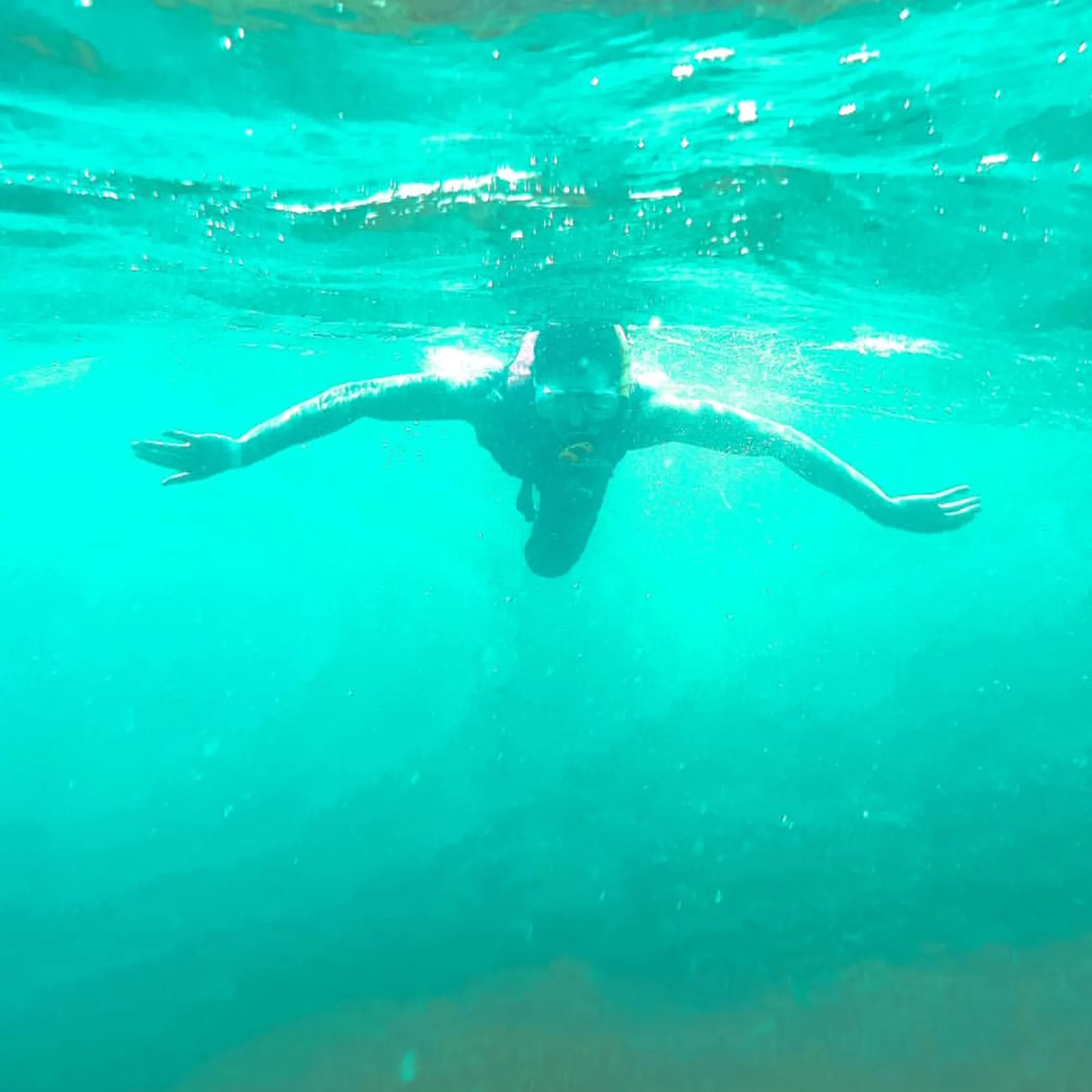
In the way of access and comfort, this stretch of the year is hard to beat for the majority of visitors. The dry season means your Cairns or Port Douglas reef excursions are more settled with less in the way of rain and humidity.
You will have no trouble with water temperatures for a swim or to put on your mask, though a wetsuit or stinger suit is advisable on the cooler side. The upside is a better view of what is below and a more pleasant passage to the outer reefs.
Advantages Of The Dry Season
Sea conditions matter. A catamaran ride across flat water is nothing to write home about, but once the swell comes in it is another story, especially if you are susceptible to motion sickness.
It is also the time to do some inland sightseeing, whether that is in the Daintree, the Atherton Tablelands or around Cairns, without having the feeling of a damp towel about you. If your dates are set for July or August, which draw crowds, get on the phone with your accommodation and reef operators early. May and June are good alternatives for those who want the dry season without the bustle.
Wet And Stinger Season
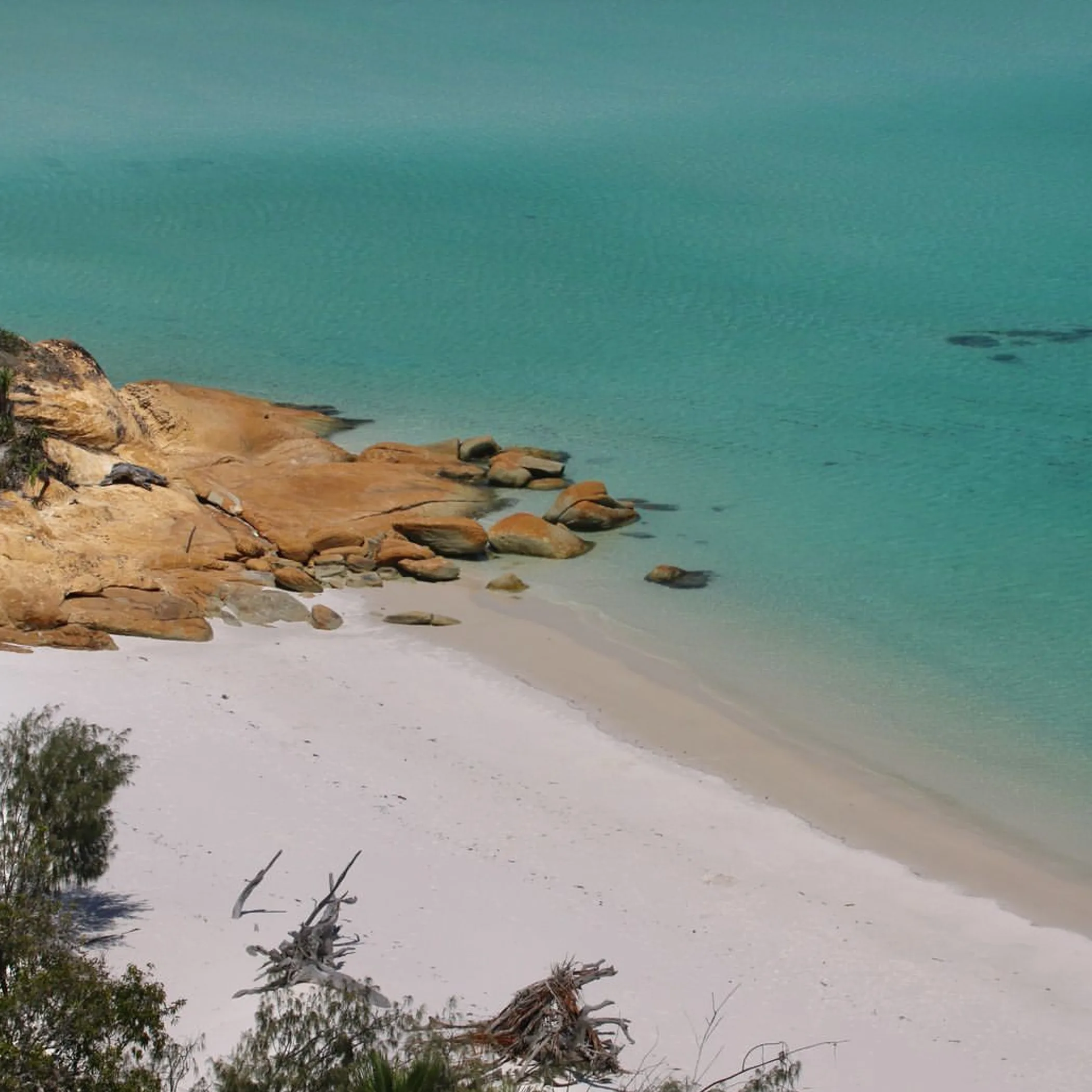
Running from November to April, the wet season is more humid and wetter but not a non-starter. There are plenty of sunny days and as long as it is safe the tours will be on.
Flexibility is key. A storm can alter vessel routes or bring on a cancellation. Have some travel insurance and refundable booking in place, and perhaps a spare day in hand.
On Marine Stingers
While the stinger season is put at November to May, they can be about at other times too. Your operator will put out a stinger suit and where they can the swimming areas are netted. But do not think of a net as a force field. Heed the crew, put on the clothing provided and keep your hands to yourself. Should you come to harm, let the staff know at once and take their first-aid advice.
A good crew briefing and the services of a reputable operator will see most visitors making safe time on the reef. Those with any qualms about swimming, or who have serious medical issues or allergies, are well advised to put the question to a qualified doctor before they book.
Rain, Cyclones And Cancellations
Runoff from coastal areas can make for poor visibility in the Great Barrier Reef waters when it rains hard. The outer-reef is likely to be clearer but in the end it is up to the operator’s judgement as much as the tides, wind and swell.
Then there is the matter of cyclones between November and April. While not an everyday occurrence, one can disrupt flights, accommodation and departures from the reef over a broad area. Do not put the crew under pressure to set off if the marine conditions do not warrant it; the reef is not going anywhere and there is no need to make your holiday a bit of a drama.
What To Expect Of The Reef
The ideal month is a question of priorities. For a balance of agreeable weather, water and not too many other people, May, June, September and October tend to be the way to go. August has its merits in terms of settled weather and visibility but is popular for that reason. One might opt for November for the warmer water and a stinger risk that some will put up with, whereas January and February call for more of an open mind.
In May the wet season is generally behind you, though tropical weather has little respect for the calendar. June is apt for sightseeing with none of the humidity to weigh one down. Families and older travellers will find these months conducive to a day outdoors without the heat taking its toll. A rash vest for the sun and a light jumper to start the day are recommended.
July To October Highlights
From July through to October the conditions for scuba and snorkelling are often very good provided there is not much runoff or wind. You will want the proper equipment to keep the water pleasant. As for the marine life, encounters are seasonal and will depend on the location and operator so do not count on them. Coral spawning is largely a product of the local environment and the warmer season.
Conditions and what you see
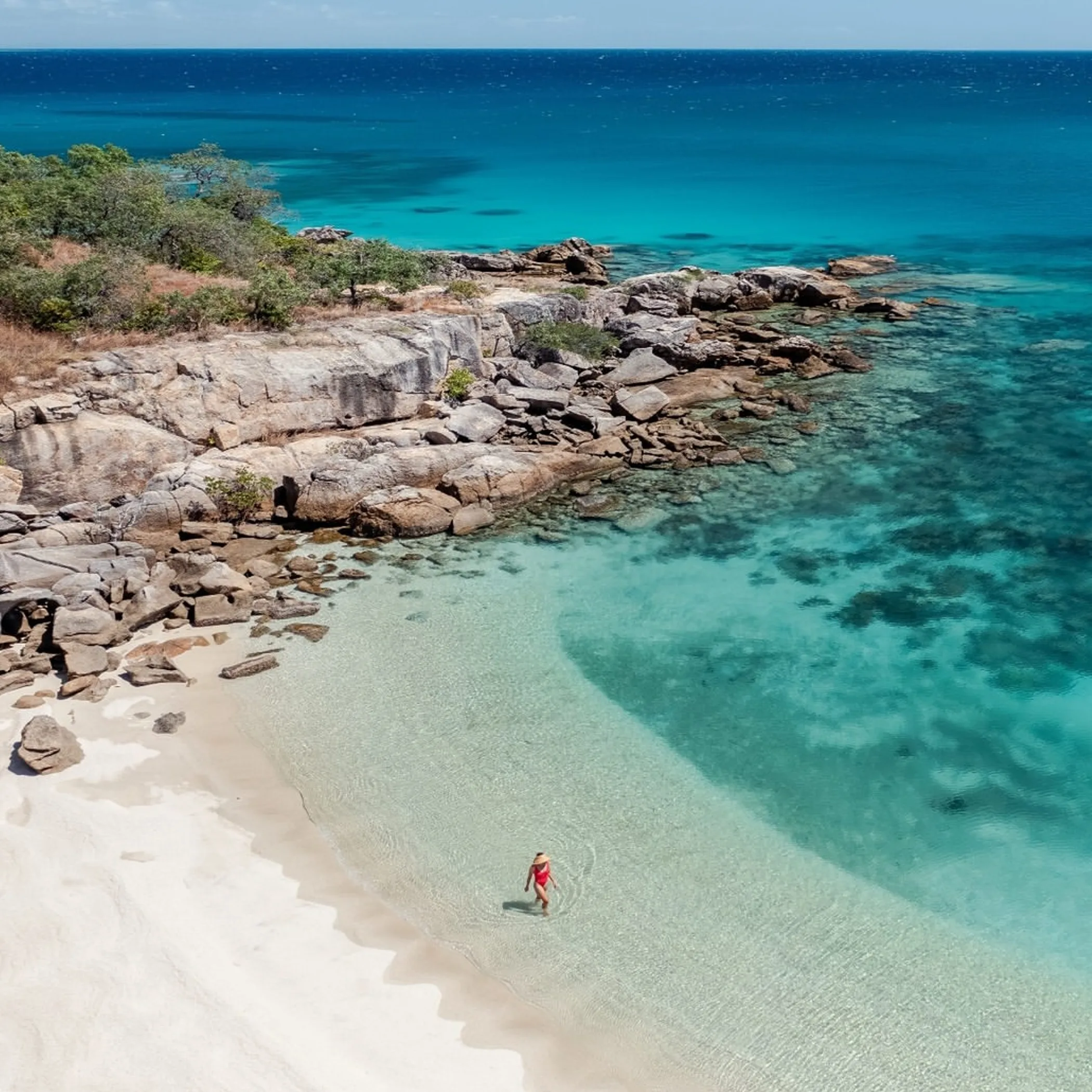
Conditions and what you see are not uniform across the Great Barrier Reef. There is a difference between an outer-reef platform and the coastal reefs at Cairns or Port Douglas and things can alter in the course of a day. An experienced crew will have the tides and forecasts in hand and may decide to alter plans for a more sheltered site if the original one does not look right.
Visibility And Water Temperature
As for visibility, while dry weather helps, an operator cannot put his name to perfect conditions; it is subject to the elements. Water is cooler in the winter and warmer come November to April. A wetsuit or stinger suit is good for comfort and gives the nervous swimmer some security.
Expectation Versus Reality
It is easy to imagine glassy water and endless visibility on a reef trip. In fact the rain, plankton or wind will have their say. And contrary to the notion that one must be an expert in the water, there are semi-submersibles, glass-bottom boats and guided snorkelling on offer. That said, you should be at ease with the safety instructions and getting in where you are asked to.
Cairns or Port Douglas?
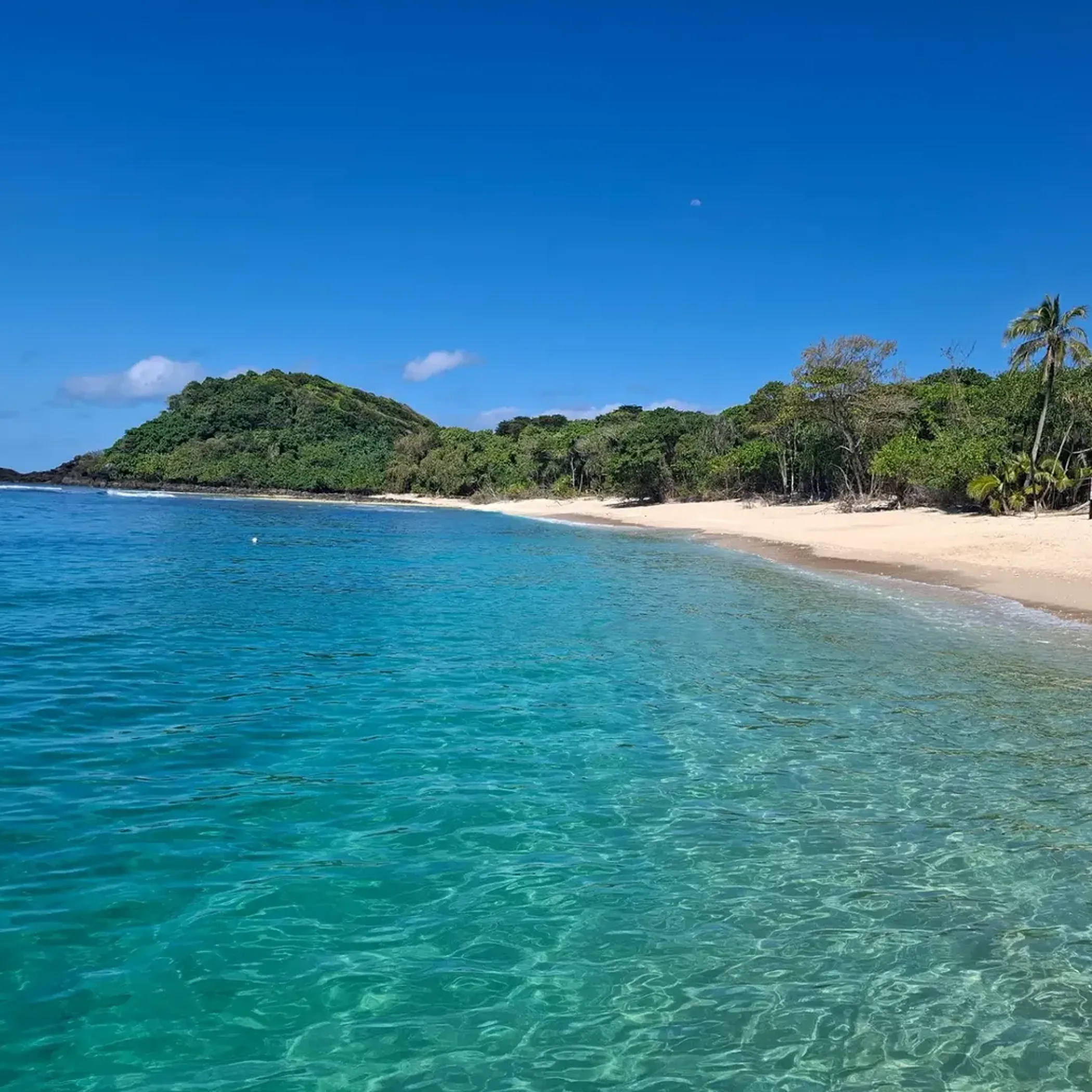
For access to the airport and a range of tours and accommodation, Cairns is the sensible choice. Port Douglas is a more laid back option with the northern reef on your doorstep, albeit with higher prices for food and lodging at times. But neither town can promise better coral or views; the sea and the operator’s call of the day are more telling than any photograph.
Getting To The Departure Point
Cairns Airport is not far from the city and operators will usually run transfers from the centre. Should you be in a car, check on parking at your hotel first, some in the centre have limited room or extra charges. It is an hour to Port Douglas from Cairns in normal traffic but factor in the odd stop or a shower of rain. The Captain Cook Highway is fine for the scenery but it is not a place to race. If the boat is early, it is easier to put in the night in Port Douglas than to drive before you have had your breakfast.
Make sure to put down the meeting point, check-in and return details, any inclusions for the transfer and what the luggage limits are when you book. You do not want to find out the hard way that “at the marina” is a different proposition to “close to it”; a vessel will not wait and the lesson is costly.
Each Base: Who Is It For?
Cairns is the place to be for those who value transport ease or a short airport run, as well as for the nightlife, family facilities and the breadth of reef trips on offer.
A stay in Port Douglas will suit you if you are after something more in the nature of a resort, wish to mix your reef excursions with some time in the rainforest or like a holiday base with less of a fuss. As for beginners, either will do so long as the operator has flotation support and makes safety briefings a matter of course.
Before you go, the Great Barrier Reef Marine Park Authority’s site has all the visitor guidance and marine park information one could want.
On Trip Length
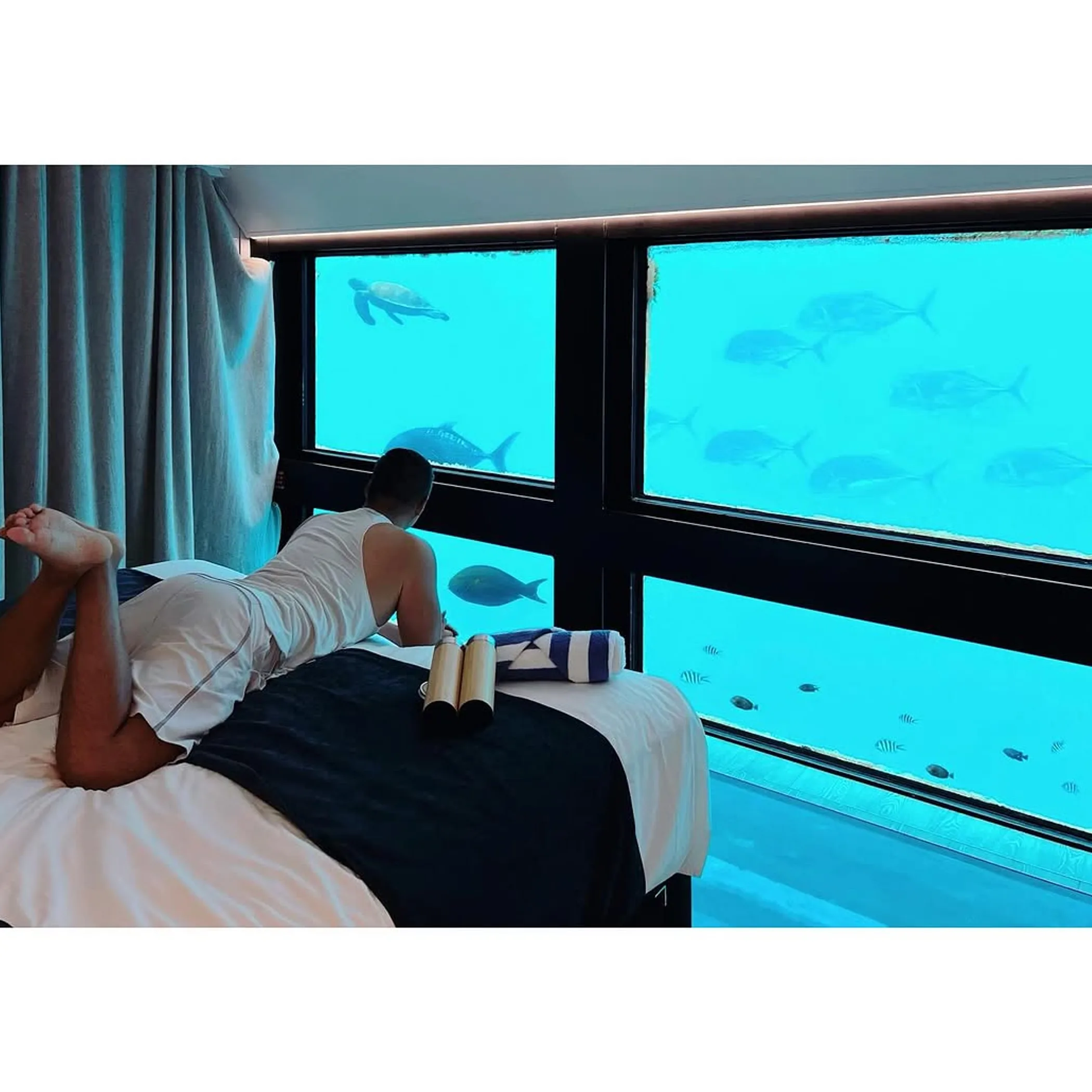
You can see the reef in a day, but two or three is preferable to put poor weather behind you, make up for travel and have a second marine activity in mind. There is no room to manoeuvre when a trip is called off on the one morning you have open.
Be realistic about your energy in the planning. An outer-reef day is not a leisurely afternoon stroll with an obliging paddle at the end; expect an early hour, the boat ride, hours in the water and a late getting back. It is worth it.
One Day
Go with a good operator for a full day on the outer reef. Make sure they have a policy for weather cancellations and provide the snorkelling and semi-submersible viewing, protective suits and flotation you will need.
Do not put in a long drive or flight once you are back on shore. If you can, put up near the departure point the night before and keep the evening uneventful. Pack your sun protection (the reef-safe kind).
Three Days
The first is for arrival and to see how the weather is, the second for the reef proper and the third to act as a buffer or for another outing such as a scenic flight or a shorter snorkel tour should conditions allow. This is of particular use to families and swimmers who are not as confident; it means a weather delay does not bring the whole itinerary to a standstill and you can have a rest after the boat.
Reef Planning Checklist
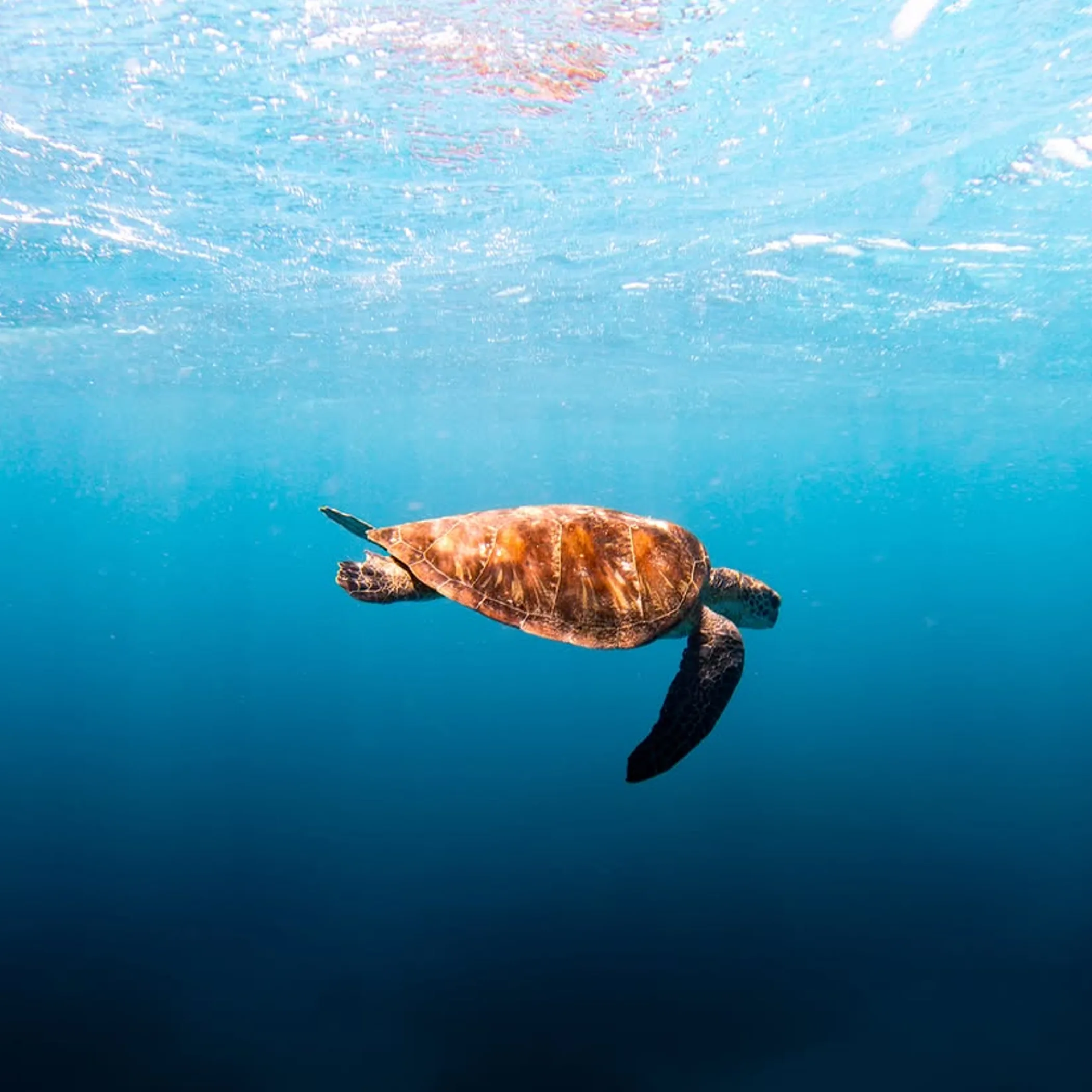
I still work from a list when I plan a trip since enthusiasm will not stave off seasickness or put a charge on your phone. A couple of checks are the difference between a trouble-free day and being on the hunt for the right wharf in the morning.
- See what the operator has to say and the marine forecast and warnings.
- Get confirmation on parking, the marina, transfer and check-in.
- Have on hand a hat, towel, dry clothes, water and motion-sickness remedies.
- Put reef-safe sun protection in your pack.
- The crew should be made aware of any dietary requirements, medical issues or how you swim.
- Leave a spare day in the schedule if the reef is why you are there.
- Do not touch the coral or put wildlife on the run; the rules of the marine park are there for a reason.
Great Barrier Reef Travel FAQ
Travellers are always asking how to align their dates with the reality of things. Flexibility is key, in the wet season especially.
When To Steer Clear Of The Reef?
If you have little patience for the elements, do not put a non-refundable reef booking in your calendar from November through April. The wet season has its superb days, but with the rainfall and rough seas and the odd cyclone there is bound to be change. Be flexible and put in a spare day.
Best Time To Make Your Way There?
There is a practicality to May, June, September and October in the way of temperature, rainfall and reef conditions. August is fine too though you may have to book in advance for the popular dates.
The State Of The Reef In 2026
It is a vast ecosystem and you will find variance from one spot to another and from season to season. One site or one day is not the measure of the whole reef, some of which is perfectly healthy while other parts may show bleaching or the effects of a storm. Do not let that put you off, but pick an operator of repute and abide by the Marine Park rules.
How Much Time Do I Need?
Two nights and a full day at the least. Three is better if the reef is a big part of the holiday as it is a hedge against the weather. With only a day to spare, book a full tour in Cairns or Port Douglas where the cancellation terms are clear.
Should You Cancel For Stinger Season?
As a rule no. It calls for some precautions but does not make the reef off limits. Put on the suit the operator gives you and do as the crew says. Those with medical issues of a serious nature would do well to get some advice of their own prior to booking.
Your Window For Reef Travel
To make things easy, the shoulder seasons of May, June, September or October are hard to beat for lower humidity and good diving or snorkelling.
But if it has to be November to April, do not count the trip out. Book flexibly and be mindful of the stinger season and tropical weather. Experienced operators are a must. It is much the same as with a US coastal vacation: you match the season to what you want to get out of it.
My advice is simple. Plan with care, be croc-wise on land and have some respect for the marine park. Give the reef your full day and yourself a weather buffer, then let the local crews have their say and leave yourself open to whatever the day brings.
