When it comes to the best seasons for penguins in Australia in 2026 there is a straightforward answer. The traveller will find winter and spring the most accommodating, but for those with an eye for penguin behaviour, spring and the start of summer are more compelling. Winter has the edge on ease of viewing thanks to earlier sunsets. Then again, if you are after some activity at the nests with partners and young ones, spring tends to be the place to be.
I am Simon Bradshaw. I can relate to anyone who has put together a wildlife outing only to have to contend with the weather, parking, bedtimes and a child making a dash for the dunny as soon as you get there. You will not find the ideal time to see penguins in Australia in any one month on a brochure. It is a matter of what you want to put up with and what you want to see, and whether you are prepared to forgo a measure of comfort to watch penguins in their element.
Quick Answer First
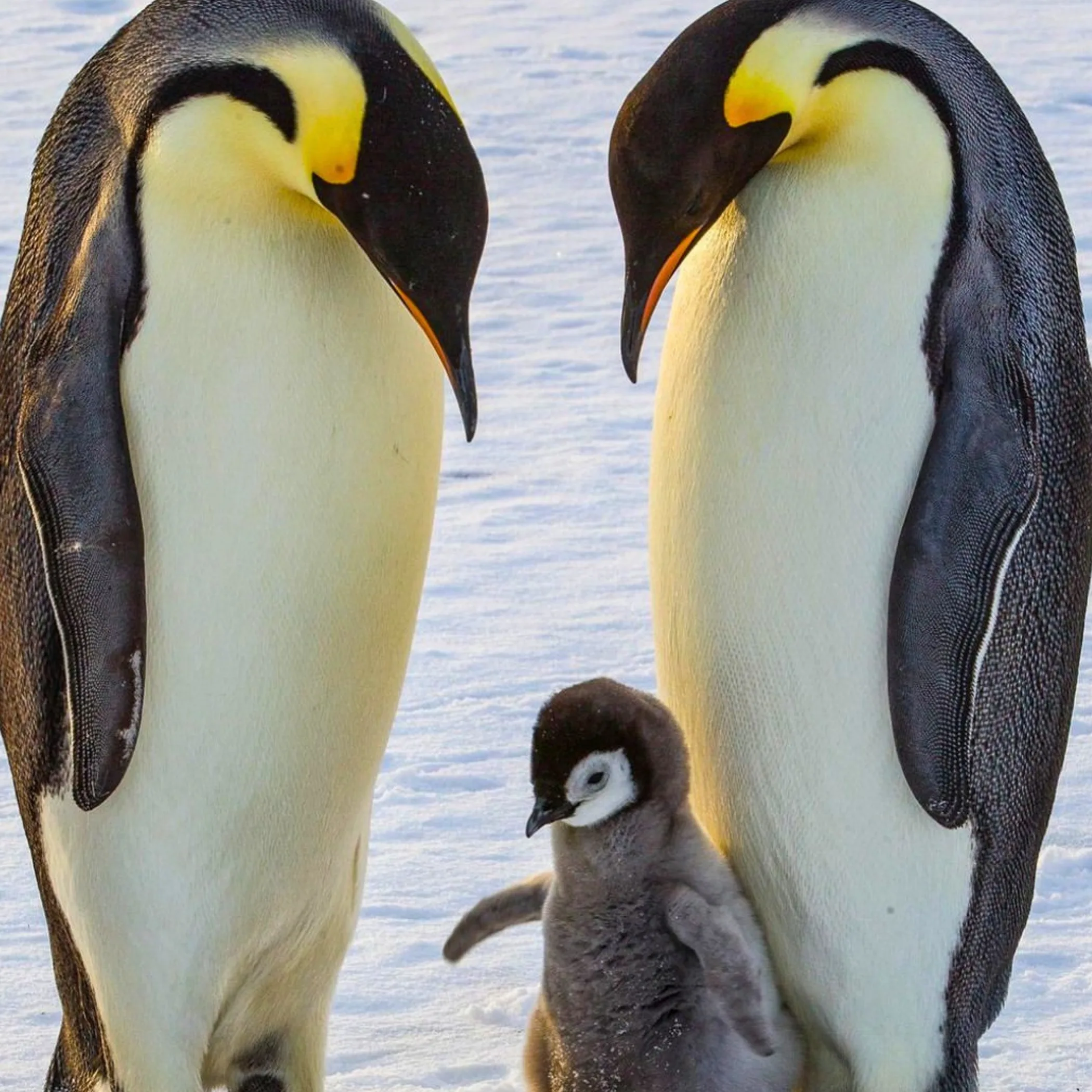
Book for winter or spring if ease is your priority over romance. You will have cooler temperatures and no heat stress, and arriving in the evening is not such a tactical affair. That is of some importance to families and older folk, or for the drive back.
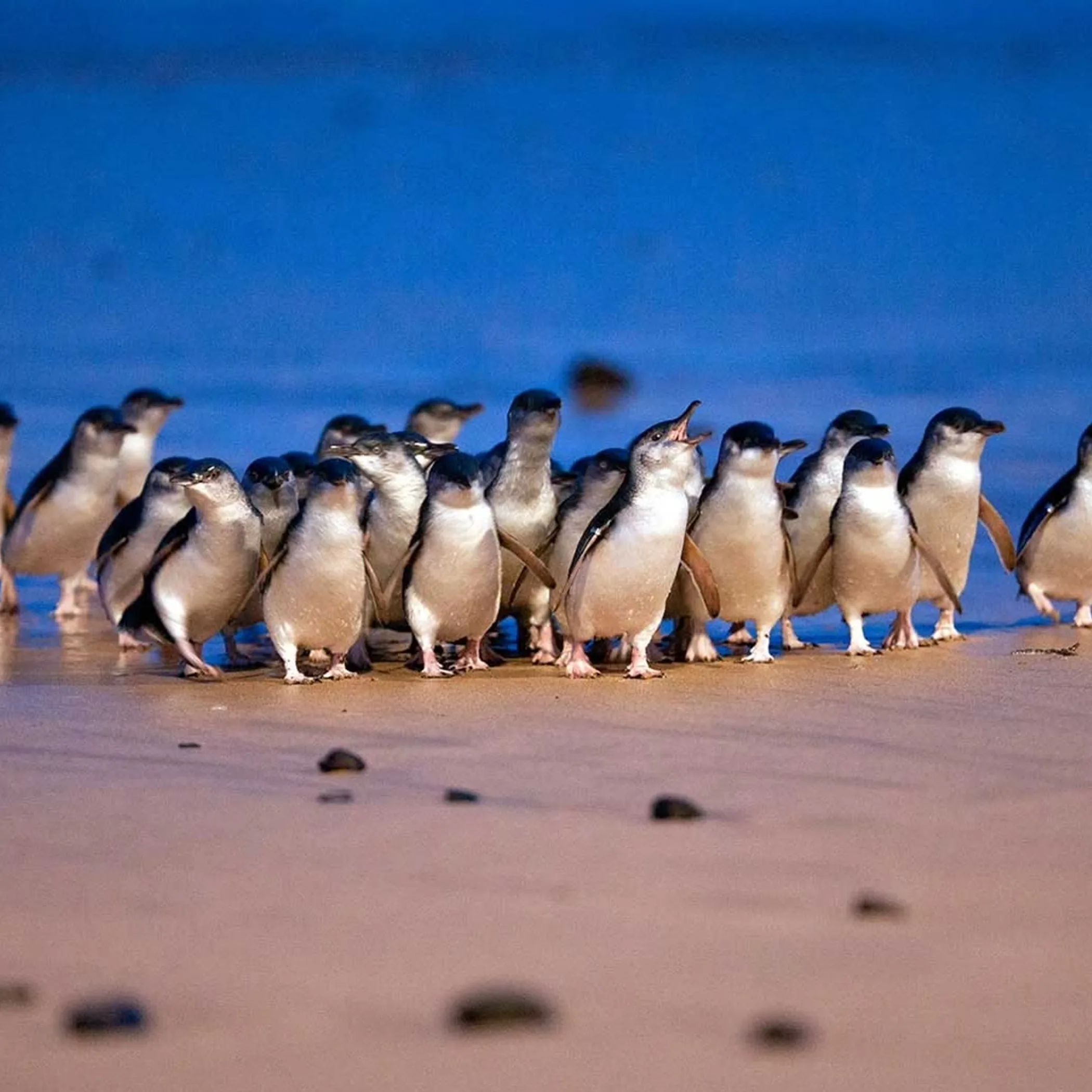
As for little penguins, the general rule is that spring is very good for courtship and nesting and the first signs of chicks. Summer is still worth it though you may be out later; autumn is less predictable and quieter; and winter is fine for an accessible evening. But every colony is different.
At A Glance By Season
Below is the practical side of things rather than the postcard picture. Both the penguin and the visitor experience are subject to change over the year.
| Season | What you will see from the penguins | Why it suits the visitor | The catch |
| Spring | Nest work, pair bonding, breeding season and the start of chick rearing | Good for the wildlife enthusiast, comfortable of temperature | Unreliable weather and the school holiday hordes |
| Summer | Feeding is active, chick rearing in certain colonies | Pairs with a coastal holiday, nice to travel in | Car parks are full and you do not get in until late |
| Autumn | Variable, post-breeding and moulting starts | Mild and you will not be in anyone’s way | Not as much to write home about, some are disappointed |
| Winter | Some pre-breeding and regular returns to shore | Day-trippers like the easy scheduling and early sunset | Exposed spots and cold and rain |
How Penguin Seasons Work
You should have some idea of what the birds are doing and not rely on the weather app alone. My view is that an awareness of whether it is moulting, breeding or chick rearing season will keep your expectations in check and spare you the “was that it?” moment on the way home. Little penguins are not going to put on a show for your long weekend. One night is quiet, another is not. That is just how it is.
Breeding, Chicks And Moult
There is more to see between burrow and sea during the little penguin’s breeding season so it attracts the most attention. Spring and early summer are particularly well rewarded by the adults’ nest duties and feeding excursions.
With chick rearing the adults are working harder and come back with purpose, which is good for an observer. Do not be under the impression that more activity affords better close-up photos. Colony protection and low light and the rules of ethical viewing put a stop to that. As they should.
Moult is something of a misnomer for some visitors. The penguins are ashore more because they cannot feed at sea as they normally would while replacing feathers. In some locations you will find a different rhythm to things and not as many crowd-pleasers.
Season By Season Guide
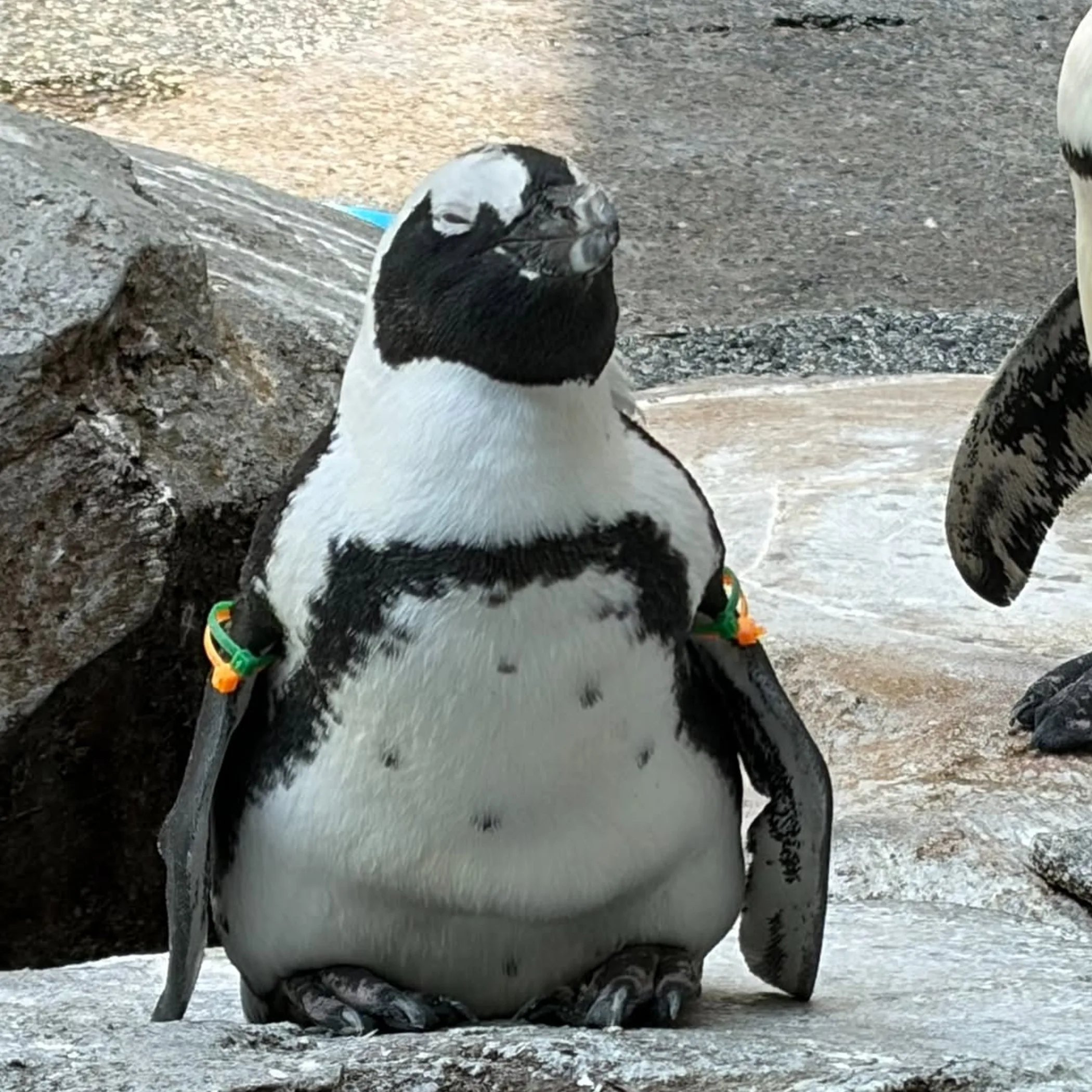
Useful planning for 2026 is a question of convenience and comfort as much as anything else. Put penguin viewing in winter against summer and you will find winter easier, summer a bit of work and later, autumn calmer if not as dramatic, and spring richer. Here is the plain-English of it.
Spring: the one with the best balance
In Australia, spring is when most will go to see penguins as it offers a good mix of wildlife and conditions you can put up with. It is not uncommon to be made aware of the rookery’s activity in a way that is stronger than usual; you will note more colony movement and some of the telltale signs of breeding season.
Then there is the matter of what you expect and what you get. On paper spring is all very orderly, but the weather has a habit of changing in an instant. One minute you are in a light jumper, the next a southerly is coming across the viewing platform to chill you. Do not be taken in by the afternoon sun, pack for it.
Summer: fine, if later
Those who want to make of their time in Victoria, Tasmania or Western Australia a longer road trip or a family holiday with some beach time will find summer suits them. A December or January holiday can still be a good experience.
But you have to watch the timing. The penguins do not come in at sunset any earlier than the hour dictates, which is later than your children or the rest of you will care for after a day out. It is the sort of season where one underestimates the drive back and overestimates the patience on hand, and before you know it is 9.15 pm and you are putting expensive chips on the table out of necessity.
Autumn: not so much of a crowd
If you are not in need of the full measure of colony drama, autumn is agreeable enough. You will find the roads, parking and accommodation less of a shambles than in the height of summer and the temperatures are kinder.
I would not put it forward to a first-timer wanting a proper lively evening with the penguins though. There is a subdued quality to it. Not unpleasant, just quieter. Lovely if that is to your taste, but if you had in mind something of a nature documentary with a soundtrack, you may find it a touch underwhelming.
Winter: easiest to time
For the practical minded, winter is the answer, particularly for those looking for the best time for Phillip Island. With the sun going down early you have less time to wait and it makes for simpler planning of a day-trip from Melbourne; you have a better chance of the younger ones staying awake for the main event.
The drawback is as plain as day: wind, cold and now and then a rain squall from the side. If coastal weather after dark is not your idea of a good time, winter will put you to the test.
Top Places By Season
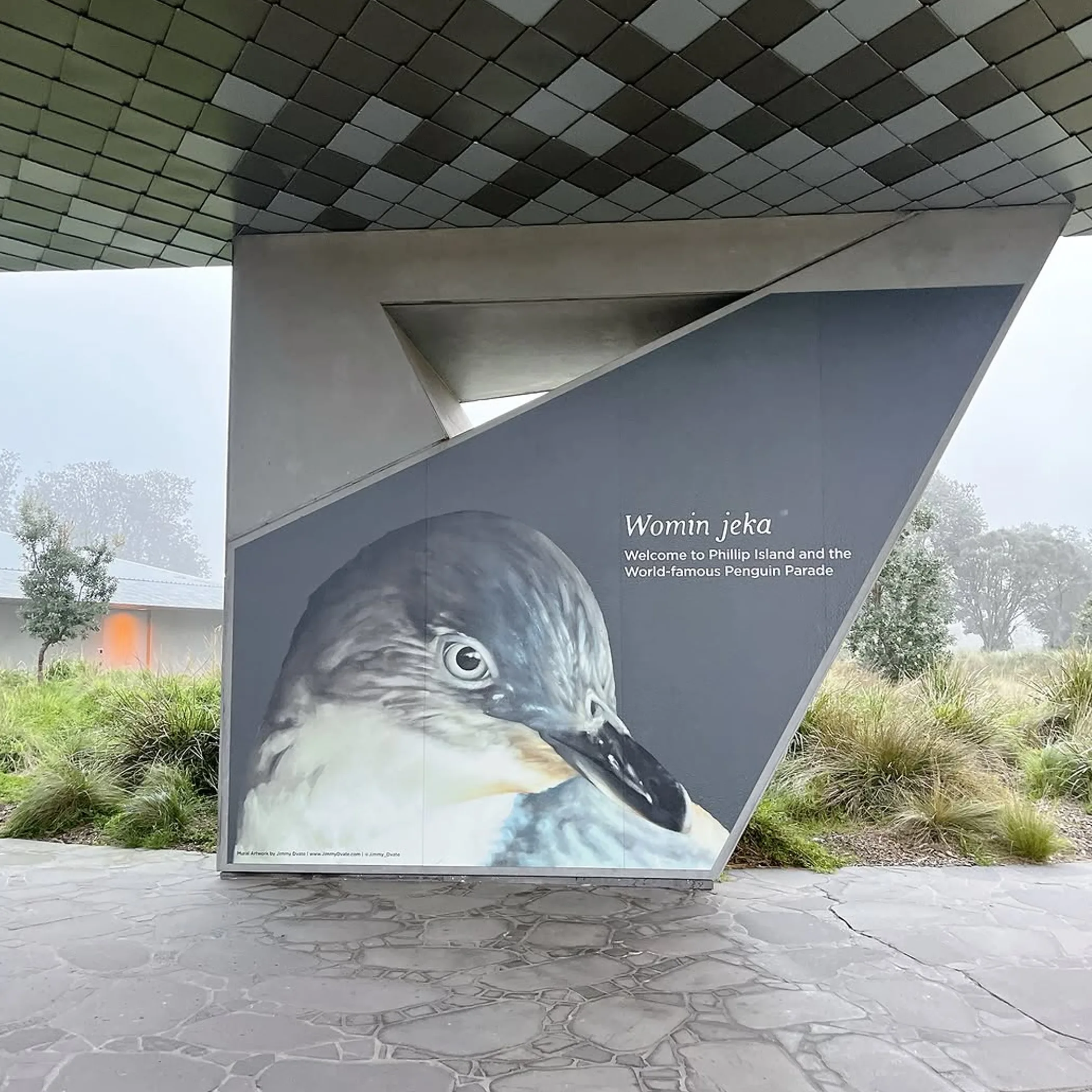
You will find no shortage of little penguin sites in Australia, yet they differ in how reliable, comfortable or easy they are to get to. Some are ticketed and polished, others are more exposed. And what seems simple online can be fiddly once you are there.
What follows are the locations put to me most often by travellers making plans for penguin tours in Australia in 2026, and the kind of differences that are of consequence.
Phillip Island
This is the most widely known and structured of the lot in Victoria, thanks in part to the Penguin Parade run by Phillip Island Nature Parks. For the overseas visitor, the family or anyone in want of facilities, I would recommend it without reservation. The rangers and the way the viewing platform is managed removes the guesswork from the night.
Convenience being what it is, the best time to visit the parade is winter to spring; put off until early summer if it is the behaviour you are after. From Melbourne it is a 2 hour drive in decent conditions, one way. But give yourself more time on a weekend or during school holidays, or after leaving the city when the traffic seems to have a grudge against you.
Costs will be dictated by the ticket you take, with premium options carrying a higher price. I would check with the official visitor information at Phillip Island Nature Parks for session details and any access updates. Their word is final where operations and conservation are concerned and you can have closures or changes to the visitor window on account of the weather.
St Kilda Pier
A whole other proposition in Melbourne. More of an urban, casual affair and the choice of those who do not fancy the Phillip Island excursion. The colony at St Kilda can be well worth it, provided you are there at dusk and observe the local restrictions.
Do not make the mistake of thinking it is a no-fuss free show every evening. Whether you can view the penguins at St Kilda without a booking is a question many ask in the belief that flexibility is a given. In fact, the boardwalk, the rules and the viewing zones are what they are. Expect a more low-key time of it than on Phillip Island and make sure you have checked on local access before heading out.
Penguin Island
One does not make of a Penguin Island trip in Western Australia a casual afterthought; it is an outing that demands some logistical and seasonal consideration. Tide can be a factor across the area even if the map appears as flat as a pancake, and one’s time on the island will be at the mercy of the weather, what the sea is like and boat schedules.
The place is ideal for those making their way around Perth and Rockingham and are content to put in the effort to time the ferry right. Not so much for anyone with little mobility, a dislike of wind or who expects an after-dark parade to be put on for them. Be respectful of marine weather instead of overly optimistic about it and have sensible shoes on. Little penguins’ diet mainly includes small fish, squid, and krill, which influences their feeding behavior and habitat choice.
Low Head
Travellers in search of a guided experience but none of the Phillip Island grandeur would do well to put Low Head in Tasmania on the list. It has a way of drawing in the sort of person on a northern Tasmania road trip in want of an evening with some local colour and interpretation.
As for penguins in Tasmania, winter and spring are the easier seasons, though you may find more in the way of behaviour in the spring and summer. If your preference is for a smaller group and a night tour rather than the trappings of a big operation, this is where you will be most comfortable.
Sunset And Session Timing
Take away one thing: plan your viewing to the sunset, not to when you intend to have dinner. The little penguins put in an appearance at dusk or once it is dark, so the sunset dictates the evening. Simon Bradshaw has been there to spare you the trouble of learning otherwise. “We will put in an early tea and then head over” is all very well until the long summer daylight has everyone on edge and you have gone through your snacks before the birds have made an appearance.
How Early To Arrive
At a place like Phillip Island you should be there with time to burn before the session starts. Factor in parking, a toilet break, collecting tickets and making your way to the viewing area in no hurry. An hour or 45 minutes ahead of time is prudent in the peak of things. In the shoulder period 30 to 45 minutes will suffice, but I would not be tempted to be any more precise.
St Kilda and the like are informal, but get there before it is fully dark. You will want to take in the signs and barriers and let your eyes adjust. All too often people are late and end up missing out because they have not put themselves in position to be still and quiet.
Tickets, Access And Closures
Here good intentions are thwarted. There is plenty of research done on the penguins and none on whether the site is running as it did half a year ago or on the state of the roads and parking.
Forget the old forum posts, current conditions are what count. Your evening could be scuppered by a bit of coastal wind, some maintenance or conservation measures.
What To Check Before You Go
- Is pre-booking or a timed entry called for?
- What are the visitor windows and any closures from a storm or the holiday rush?
- How is the weather, particularly in Victoria, Tasmania and Western Australia?
- And what are the rules on torches, photography and keeping quiet near the colony?
Do some honest budgeting for fuel, a meal on the way back, parking and tickets. A family will find the cost of entry and a coffee for the driver adds up in a hurry; do not delude yourself into thinking it is a bargain wildlife mission.
What To Bring Along
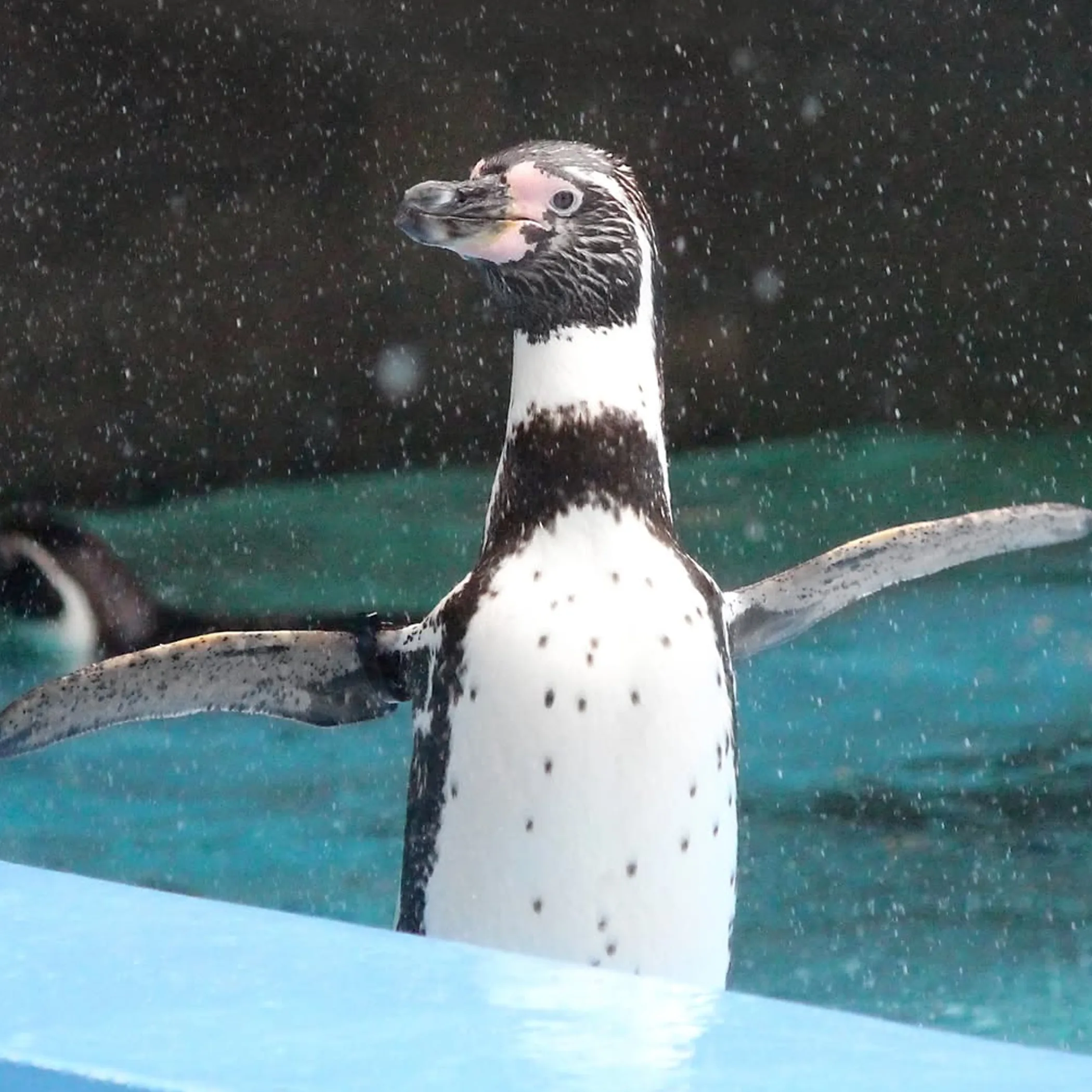
Binoculars and wonder is the glamorous response. In truth you need a jacket that works, patience and layers. Even a mild day gives way to rough coastal evenings.
I see camera gear overpacked and warmth underprovided every day. A poor exchange.
A Simple Viewing Kit
- Enclosed shoes, something windproof and warm.
- Water, a snack and medication for a late finish.
- A phone with a charge for navigation purposes (flash photography is another matter).
- A cushion or the like if you are to be sitting and waiting.
- And keep expectations low, first-time watchers and children in particular.
Watch Safely And Fairly
You are there to watch penguins, not to put them out. The rules at any colony of repute exist for a reason: bright lights, crowding and people straying from the path will have an effect on the birds coming in from the sea. There are times when it is better to be a good guest than to have the vantage point, and this is one of them. You will not find a photograph that justifies putting in the way of a bird on its way to the burrow.
Common Mistakes To Avoid
You can put most of them down to predictability: the flash, loud voices, encroaching on barriers, making an after-the-fact bid for proximity or allowing children to get ahead on unlit paths. At the more informal venues you will see people standing where they should not be, obstructing their fellow visitors and the birds in equal measure. It is a rather remarkable inefficiency.
Then there are those with limited mobility or a young child in tow, or who do not take kindly to the cold; for them the managed viewing areas are preferable. But if you prefer things without so much structure and a degree of spontaneity, an informal urban site or a small regional one will do, as long as you are content with less certainty and comfort.
Why Responsible Tourism Matters
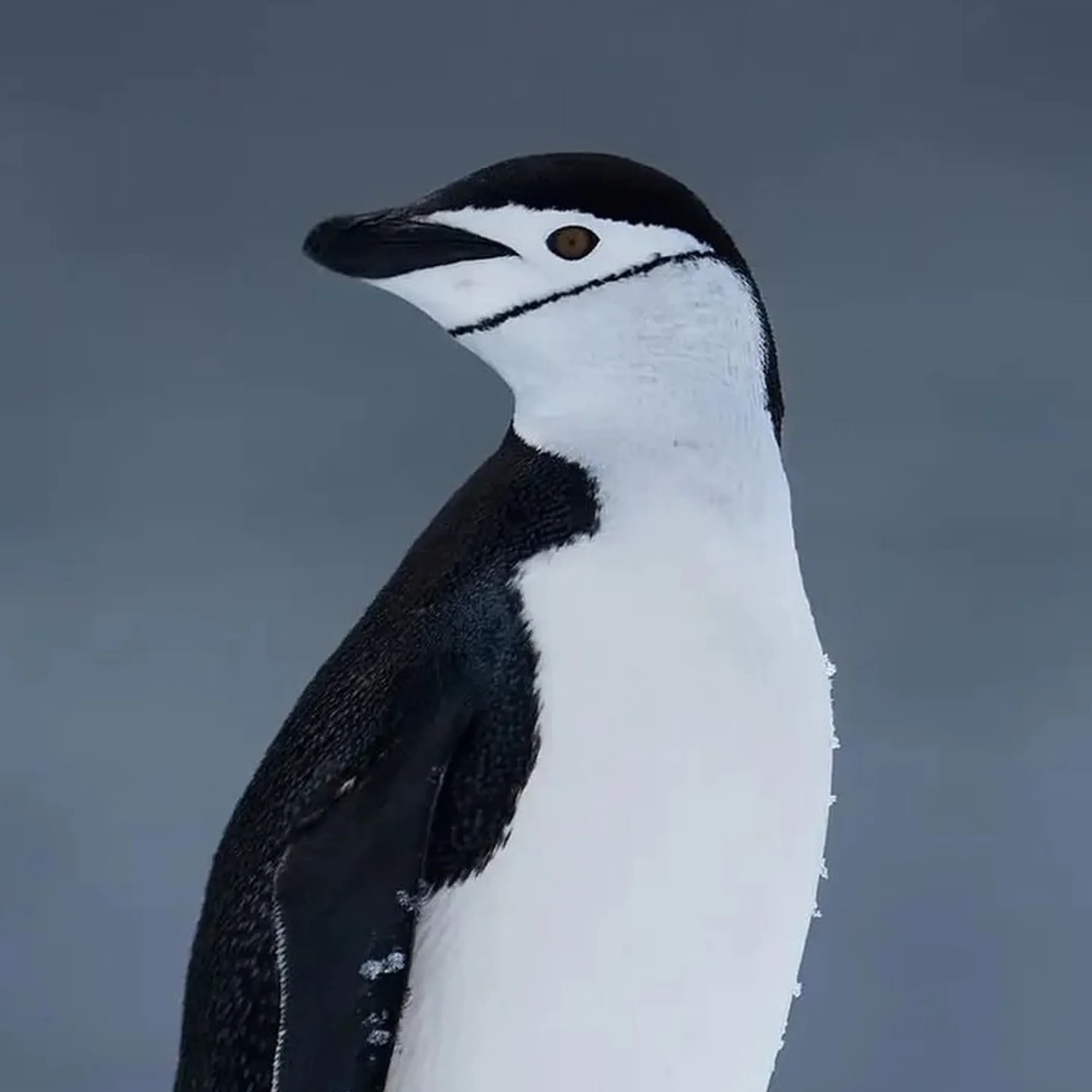
One does not make a tourist prop of a penguin colony. They are living systems of some sensitivity, subject to the vagaries of the marine environment, food availability, disturbance and breeding. So rules of access, viewing limits, boardwalks and the like are not red tape put in place for no reason.
Put simply, well conducted tourism at a properly run site is conservation minded. What you get from bad tourism is the result of people regarding wildlife regulations as something of an optionality for someone else.
Regional Trip Planner
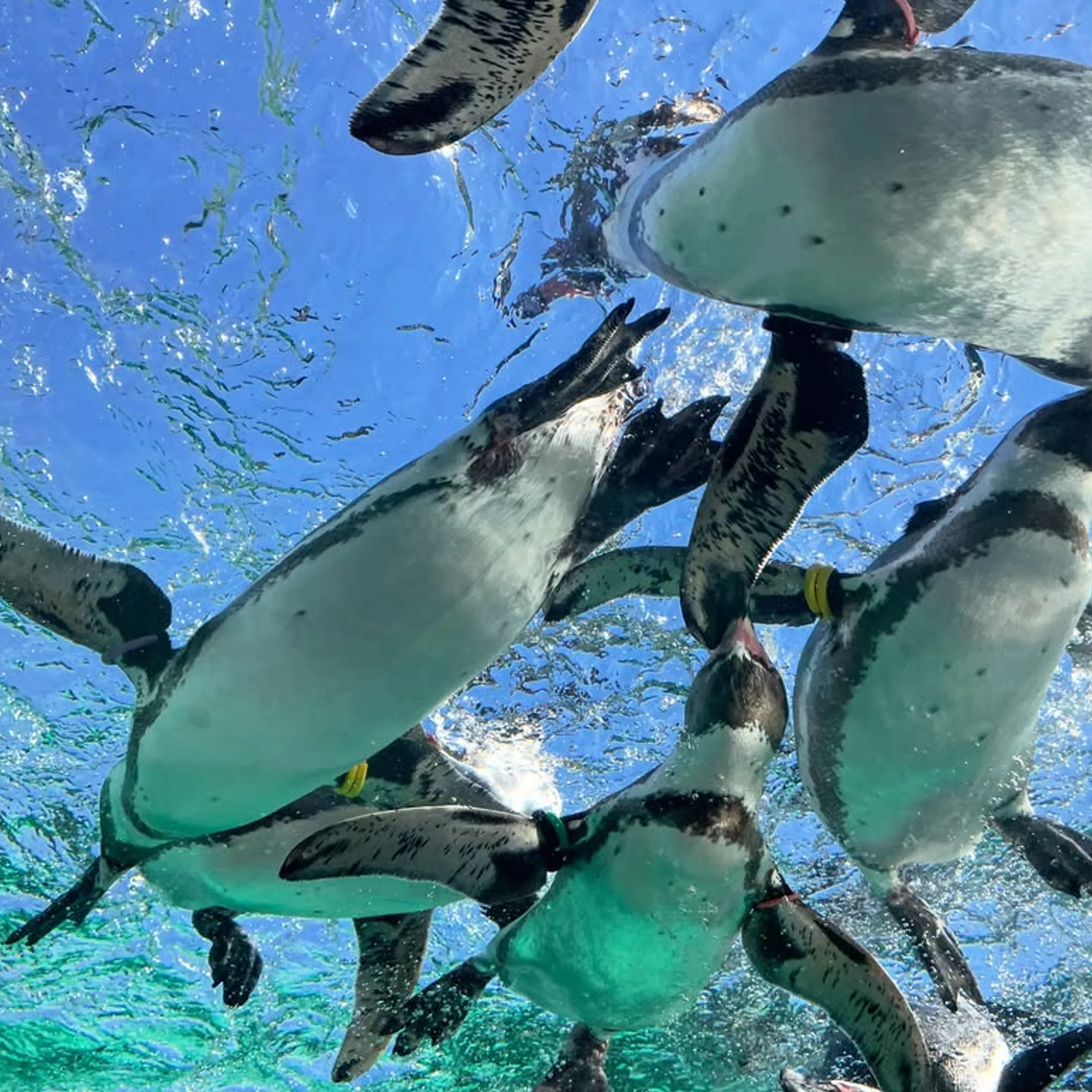
To make a trip of it all, here is the practical rundown by state for the traveller who would put together a sensible plan instead of having seventeen tabs open at midnight.
| State | Best Fit | Top Spot | Best Season | Who It Suits |
| Victoria | A sure bet for a first visit | Phillip Island / St Kilda | Winter to spring | Day-trippers, families, first-timers |
| Tasmania | Guided and on a smaller scale | Low Head | Winter/spring, summer too | The road tripper, couples with a bent for wildlife |
| Western Australia | Make a day of it on the coast | Penguin Island | Spring/summer for your comfort | Those from Perth, planners of a marine outing |
A day in Victoria and you would do well to put in for the late return at Phillip Island. One evening in Melbourne and no desire for the drive makes St Kilda the easier option, though temper your expectations. In Tasmania, work Low Head into a northern route, do not try to force it into a hasty island-wide dash.
FAQ: Penguins In Their Element
The usual questions on timing and access for those who want to keep their bearings.
When To See Penguins In Australia?
Winter to spring tends to be best for ease of viewing. For the business of breeding and tending chicks you would look to spring and early summer. Families often find winter easiest given the earlier sunset.
When To See Penguins In Tasmania?
Practicality speaks for winter and spring, but spring and summer have their rewards in milder conditions and behaviour. A guided evening at Low Head is what many make of it.
Can I See Penguins At St Kilda Without Booking?
More so than at a fully ticketed affair, but do not take for granted that you can go in and out as you please. The arrangements at the site, protection measures and so forth can change, so check before you set off.
When Can I See Penguins At St Kilda Pier?
Dusk until the early hours, dictated by the sunset. In summer it is later than you might think. Be there in time to put yourself in the right spot and be quiet about it.
Is Winter Or Summer Better For Penguin Viewing?
Convenience is with winter, while summer is for the beach holiday. The former is easier to deal with on account of the sunset. Summer is fine but most underplay the lateness of it.
Final Takeaway
An honest answer for the majority of travellers is that 2026’s best seasons for penguins in Australia are winter and spring. Winter for the logistics, spring for the colony. Summer is worth it if you can stand the late nights; autumn for something less of a spectacle and more of a quiet outing.
Let me put it to you as I would a friend with a coffee in Noosa, instead of committing it to paper: I am Simon Bradshaw and my counsel would be to go with Phillip Island for the sure thing, or Low Head where the guided experience is more intimate. For something close to hand in Melbourne, St Kilda will do. As for Penguin Island, make that your choice only if you are prepared to plan on the conditions and not on hope.
My advice is to have a jacket with you, be there of an early hour and observe the rules; leave the birds to their own devices. You will see them at their finest then.
