The 2026 updates to Victoria’s plumbing code are a matter of when you put pen to paper. New standards for heated water installation and lead-free products come into force here on 1 May 2026. Then there is 1 January 2027 when some gas hot water replacements will have to be electrified, and 1 March 2027 for the wider application of those rules. It is essential to be aware of the Victoria tempering valve rules. Any one of these dates will be of consequence if your role in Victoria is to approve, sell, specify or put your name to hot water work.
Simon Bradshaw here. I have put together this practical account for those who would prefer it in plain English over an impenetrable thicket of jargon. You will find what has been altered, where the temperature limits are, which paperwork is important and how to keep a compliance issue from turning up on your desk at 4:45 pm on a Friday.
What Has Changed
Do not mistake these for minor adjustments hidden in the fine print. The new rules dictate the fuel type you can make do with after 2027, the products available to you and the manner of installation. Underpinning it all is a move towards better water quality and safety in older buildings. For a homeowner, builder or plumber the issue is whether the parts and system in question can be lawfully put in place on that site and date.
Key Dates
| Date | What Changes | Who Is Affected |
| 1 May 2026 | The updated provisions for heated water installation and lead-free product thresholds | Plumbers, certifiers, suppliers, builders, homeowners |
| 1 January 2027 | Gas hot water replacement rules start to change | Installers, property managers and owners of certain systems |
| 1 March 2027 | Replacement electrification extends further | Strata, specifiers, residential owners and installers |
Who Should Be Looking At This
For the licensed plumber called in for maintenance or a new job on heated water services, you can be sure of having to deal with it. Builders and designers would be wise to call for compliant layouts and products early on; it is no fun to be left with the wrong valve set or tapware the day before you hand over.
Then there are the homeowners, particularly if a gas system gives out and is not an option for a like-for-like after the 2027 revisions. Body corporates and property managers would do well to be aware of the situation since one does not have much time to make a call on an emergency replacement once the tenant has made his third call.
On the Subject of Lead-Free
A case in point is the 0.25% limit on lead in plumbing. It puts a legal restriction on the fittings, valves and tapware that can be in contact with drinking water. In practice you may find some stock you were used to ordering is now off limits. And once the start date has passed, claiming you put in the old batch will not save you.
The 0.25% Limit
Victoria’s 2026 lead-free requirements are set at a maximum weighted average of 0.25% for any product conveying or dispensing water for human use. Do not read “lead-free” as meaning there is not an atom of it in every component; the regulated threshold is what counts.
Tap bodies, mixers, valves and other items in the path of drinking water are fair game. Heated water services come under scrutiny if they are feeding sanitary outlets. Most make the error of concentrating on the hot water unit for compliance when in fact the trouble is usually to be found in the connectors and valves about it.
A word to installers: do not take a supplier at his word over the counter. Have the product certification to show for it. There is no substitute for having the model information, supplier papers and certification on file with the job; do not rely on memory when a query arises.
As for lead-free copper alloy plumbing, make sure it is put in order before it gets to site. One can only avoid so many of the delays that are caused by an order for an old stock tempering valve or mixing assembly without due regard for pliance. I have had my fill of “near enough” type thinking in operations; once you bring the paperwork into it, those decisions have a way of not working out.
Heated Water Standard Updates
The nuts and bolts of the matter are the changes under AS/NZS 3500.4:2025. These will be felt in the performance of the system, the installation and at any number of defect points in hot water work. When one is working on heated water services to this standard, there is no point in committing every clause to memory. The important thing is to be aware of the installation details that will be given closer scrutiny at design stage, rough-in, replacement and when it comes to sign off.
Flexible Hoses And Connections
Do not be casual about the flexible hose assembly requirements in Victoria. The connectors must be fit for purpose and in keeping with what the manufacturer and the standard allow; they are not some deus ex machina for bad planning or pipes that do not align. Then there is the question of serviceability. Put a flexible hose in a spot where it is impossible to inspect or get at and you are in for trouble. If the next plumber has to put his shoulder out and take half a cupboard apart to access the connector, then the layout was poorly conceived.
Isolation And Mixer Control
Under the new framework there is a greater emphasis on the isolating valve ahead of the mixer in certain installations. Fixtures and heated water components must be capable of being put out of action for maintenance or a change out. Maintenance access is no luxury. In the course of doing work in resorts and the like I have found that an oversight in service can turn into an operational headache with the hot water off and the room occupied. A well considered layout from the start will preclude the need for call-outs and the attendant muttering down the track, residential or otherwise.
Temperature Limits That Matter
When it comes to safety the law is very much a practical affair. Standards are read to find out what device is in control and how hot the water can be at the tap within the law. In Victoria it is a case of the fixture and the building use dictating whether a tempering valve or other compliant mix is called for. Hence the talk of Victoria tempering valve rules, which is really a way of asking about safe temperatures at sanitary fixtures.
Where 50°C Applies
For a good many home sanitary fixtures the 50°C limit in Victoria is the number to bear in mind to prevent burns. While the system may require a higher temperature in storage for hygiene or performance, the delivery to some fixtures has to be reined in. The tempering valve is ubiquitous in domestic systems for that reason. Some homeowners will not make the distinction between what the cylinder is set to and what is permissible at the tap. Where the fixture limit is in play, they are not one and the same.
Higher Temperatures Are Permissible in Some Cases
The code provisions and the outlet in question will determine if a kitchen sink, laundry or commercial application can have a higher temperature than is allowed in the bathroom. This is why one should not put too much stock in the sort of advice proffered on social media. What holds for a basin does not for every tap in the building. Look at the fixture and the code path before making a call on the control device.
Gas Replacement Rules Ahead
With the 2027 changes coming, brand-new builds are not the only ones affected. A gas unit on the wrong side of the trigger date might not be so easily replaced with another. It is all part of the electrification push and Victoria’s gas substitution plans. Homeowners are more concerned with the logistics than the politics: should the system go in winter, what is the cost and time involved in putting in something that is allowed?
What Happens From 2027
With effect from 1 January and 1 March 2027, the gas hot water replacement Victoria 2027 changes will be rolled out in phases. On the whole, one can expect Victoria to favour electric outcomes for hot water where gas would have been the norm of old. There are exemptions to be had in certain instances, particularly if technical conditions or the building itself put constraints on things.
But a prudent installer will not give a categorical yes or no without first looking at the property type and the service in place, as well as what the Building and Plumbing Commission is putting forward. An apartment tower and a detached home have entirely different demands to a mixed-use site.
Electric Options People Will See More Often
What you will be hearing more of in the way of alternatives are resistance electric systems and heat pump water heaters. The latter has its appeal when it comes to running costs and energy consumption, albeit at a steeper initial price and with installation that is contingent on having the room, the noise tolerance, the drainage and the electrical headroom.
Do not let the term “heat pump” conjure up an image of an easy swap; in some cases it is, in others it may call for electrical work to be done, a review of pipe runs, slab and wall space, condensate drainage and so forth. When an emergency replacement has to be put in hand in a day, the compliant option that is there for your site is the only sensible choice, regardless of how it was presented in a brochure.
Paperwork That Protects You
Compliance does not end once the water is hot. For any regulated plumbing in Victoria the documentation is important. Most owners make light of it until they come to sell, put in an insurance claim or contest a defect, at which point there is a sudden demand for the records that ought to have been in order at handover.
Certificates And Certifications
Victoria’s plumbing certificates of compliance are a must for prescribed work over the threshold or as the state framework dictates. Where the rules of certificate apply and a licensed practitioner is called for, the certificate is part of the compliance trail, not optional paperwork. Product certification is no different: should a valve, fitting or control device need to be certified, have the proof. The Victorian building and plumbing regulator guidance is the official oversight body and the authority on licensing and any regulatory changes.
Installer Responsibilities
It is down to the installer to see that the system is safe to run and in line with the NCC 2025 Plumbing Code of Australia and other standards. This means proper commissioning, correct valves, pressure and temperature controls, and making sure there is access for service. One should not be under the impression that any trade can put their hand to it all; plumbing has to be by the right class of practitioner and an electrician is required for the connection side of things. It is not worth the guesswork in the hope of an accommodating inspector.
Practical Site Checklist
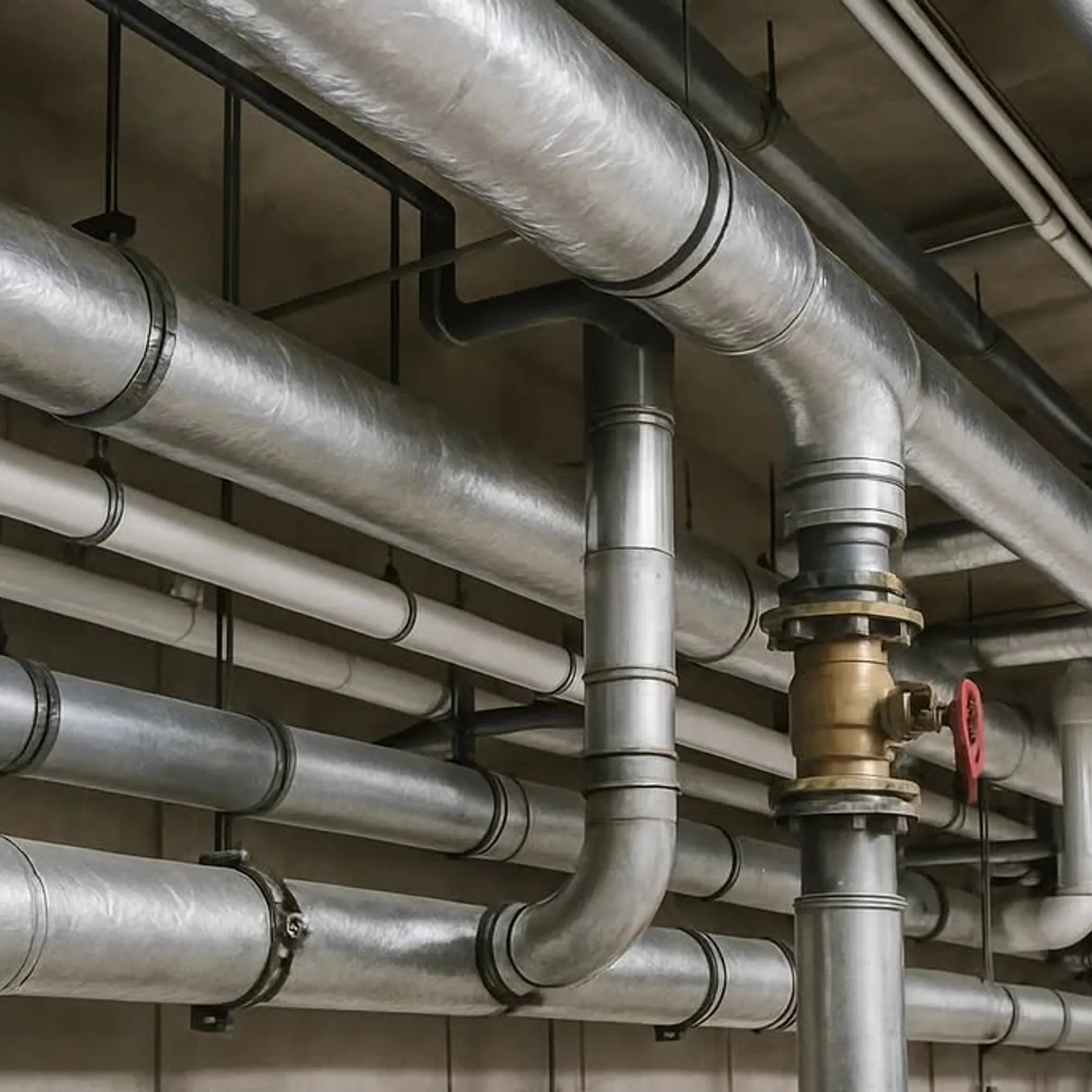
A practical checklist is needed when theory comes up against the plant platform or the laundry cupboard. Plumber, builder or homeowner, put this to use before the old unit is cut off to avoid rework and cold showers.
- Make sure of the job date vis a vis the 1 May 2026 and the 2027 start dates.
- Is the replacement like-for-like or do the electrification rules come into play?
- See that any product in contact with water is within the 0.25% lead-free limit for plumbing.
- Have approval for the heater, hoses, valves and controls.
- Look at the layout for service clearances, a safe discharge and maintenance access.
- Tempering and mixing for sanitary fixtures needs to be confirmed and the delivery temperature tested.
- In the arrangement being put in, is an isolating valve called for ahead of the mixer?
- On the day of delivery, be sure of the electrical supply for an electric or heat pump system.
- Then issue the compliance papers and leave the manuals, warranty and temperature settings with the owner.
Costs Rebates And Budgeting
As for cost, do not expect a uniform statewide figure. The number will be dictated by the likes of roof location, access, switchboard capacity, pipe work, whether it is an apartment and how urgent the matter is. But for budgeting purposes, factor in the system and the extras for compliance rather than just the unit’s sticker price.
What You May Need To Budget
The most economical option is normally a like-for-like replacement of the system, provided it is allowed. But you will see costs mount if there are electrical upgrades to be had, new valves or lead-free parts to put in, condensate drainage for a heat pump, or an access issue that means working from a rooftop or in some cramped apartment cupboard.
By way of a rule of thumb, the installation side of things can run 20-40 per cent of the overall project cost; homeowners have a way of underestimating this when the job is complex. That is on top of the price of the heater itself. An emergency call-out will set you back more as well. One does not make the best decisions while the house is full of disgruntled people and you are without hot water.
Rebates And Efficiency
Eligible work may be helped along by the Victorian Energy Upgrades (VEU) program, in cases where an efficient electric system is put in place of something old. Then again, certificate values and eligibility are subject to change so do not count on a rebate until it has been confirmed in the quote.
Product choice is dictated by minimum energy efficiency standards too. A less expensive unit is no bargain if it has to be taken out because it is unsuited to the site or does not measure up. For an owner or landlord with several properties, a forward plan for replacements is preferable to having to deal with them one at a time as they go down.
Intended Audience
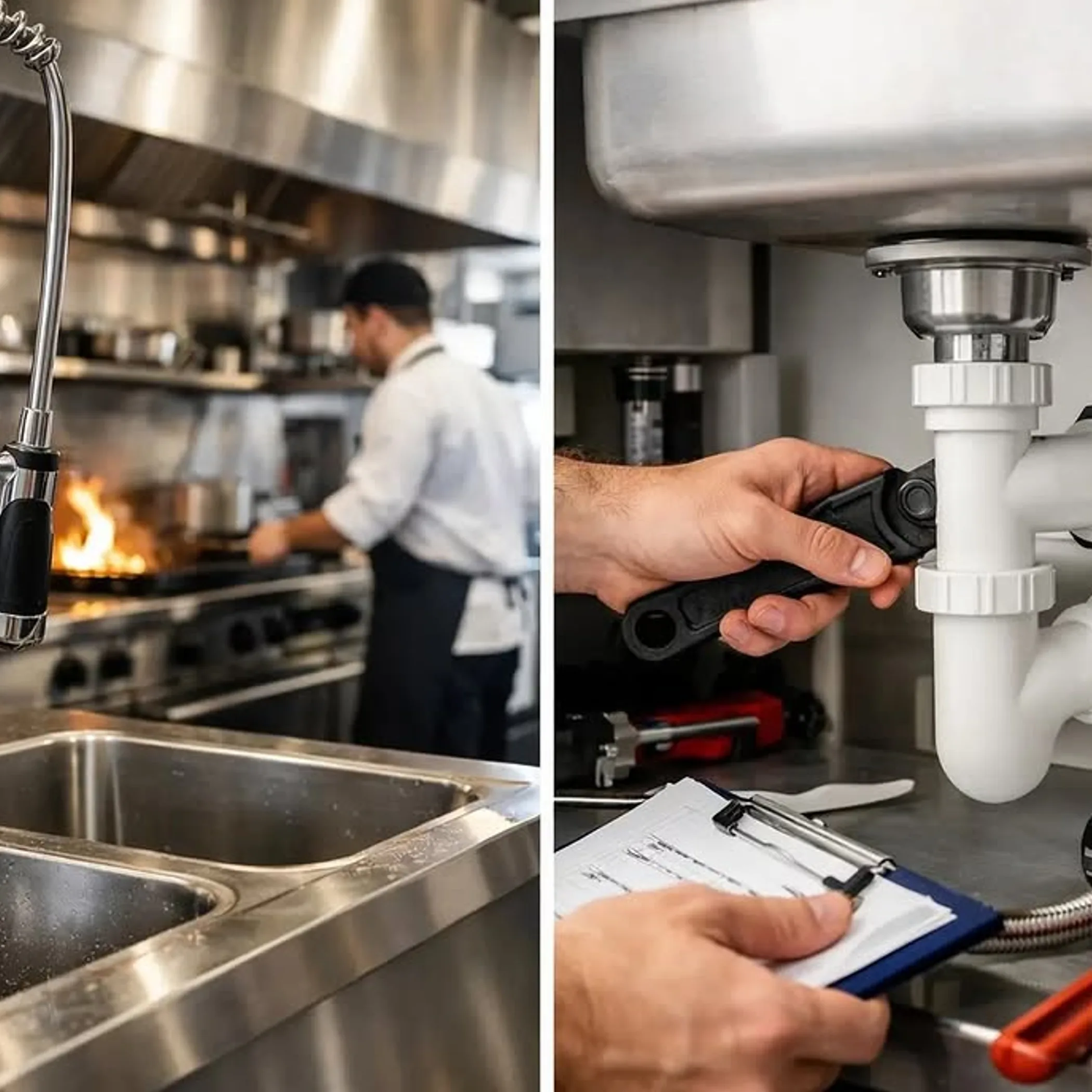
We have put together this guide for the homeowner, renovation client, builder, property manager or licensed plumber in Victoria who is looking to replace a hot water system. It will come in handy should your system be of a certain age, the property is being re-done, or you find the question of gas or electric looming.
Do not expect a national summary here; Victoria goes its own way in terms of regulation and timing, so for border projects or anything with a national specification you would be better off checking the local jurisdiction.
In Summary
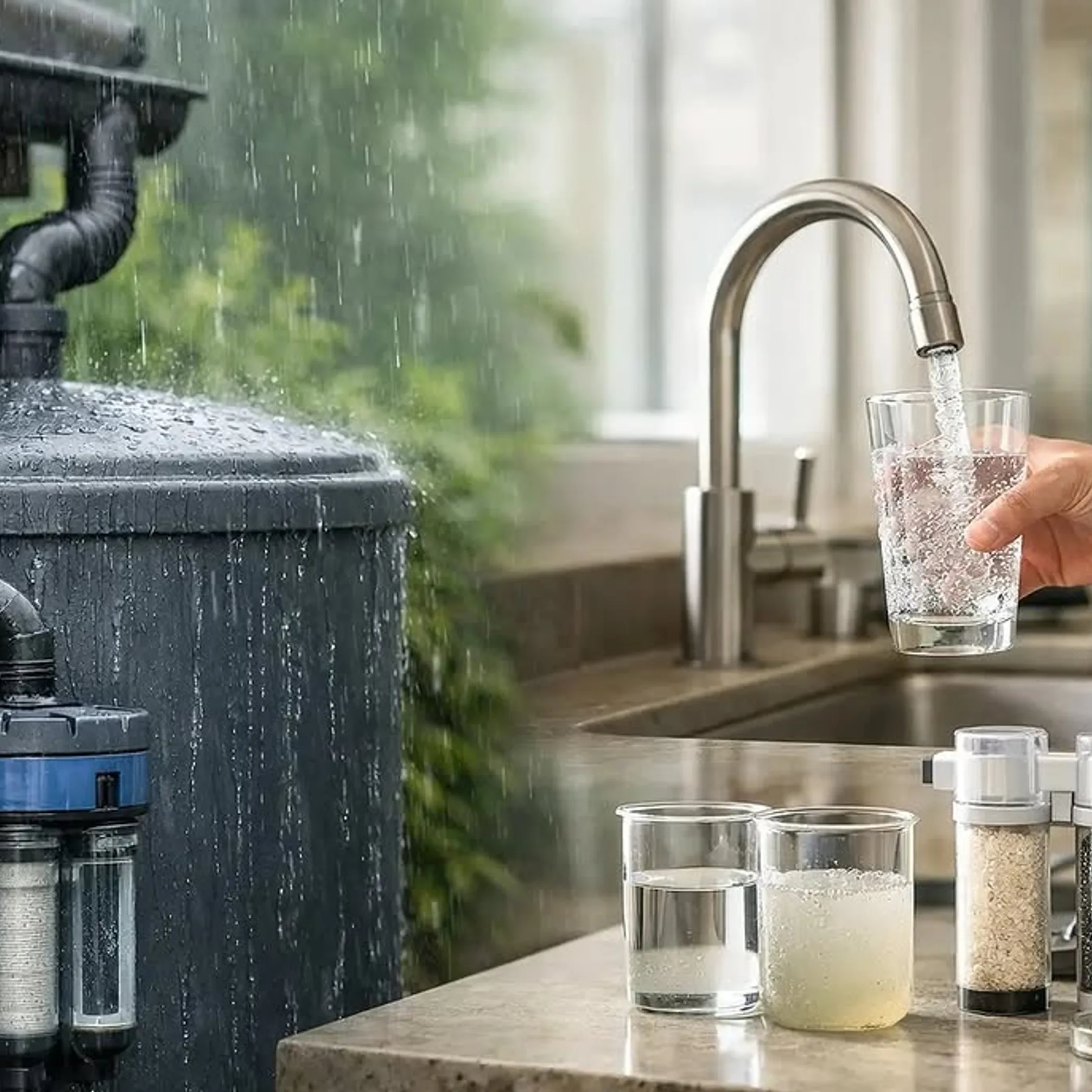
There is little ambiguity in the Victorian landscape even if one has to keep track of a few details. Come 1 May 2026 there will be stiffer demands for documentation, updated installation and lead free materials for heated water services in the state. Some owners will be steered to electric in 2027 as options for gas replacement are curtailed in places.
My advice is to familiarise yourself with the rules before the present unit gives up. Have a look at what the product compliance and paperwork entail, and the type of system and replacement path you are facing. You will save money and avoid the drama of a “simple swap” turning into a week of phone calls and you left in the hallway to wonder why.
FAQ
One tends to get these after a round of three answers from three different sources. The rules around hot water can be confounding at the worst possible moment.
Is an electrician able to install a hot water system?
Not on his own if regulated plumbing is involved. In Victoria an appropriately licensed or registered plumbing practitioner has to do the installation work. An electrician is fine for the electrical part of his licence but he is not a substitute for a plumber on the water service.
What of the 135 rule in plumbing?
For the most part that is about directional changes in pipework and limits between cleaning points in some drainage work. Not the rule to concern yourself with over heated water services. AS/NZS 3500.4:2025 and the PCA settings for the job, as well as product certification and temperature control, are what matter for hot water compliance.
Legally, what is the hot water temperature in Australia?
You will not find a blanket answer for every outlet. In a Victorian residence the delivery from many a sanitary fixture has to be capped at 50°C. We are talking the relevant sanitary outlets here, not every tap in the place. The storage can be higher but the outlet must still be in line with the 50°C limit.
What are the usual plumbing code violations for heated water?
Tempering that is absent or done wrong, a non-compliant product, flexible connectors used improperly, no isolation point, poor servicing access, missing certification or the required compliance docs. Most of these are easily put right before you start installing and it is cheaper to do so.
From 2027 does an electric replacement become mandatory for every gas hot water failure?
One would not make an automatic assumption in all instances. The 2027 Victoria hot water rules are put in place in phases and there can be exemptions to them, what with the building type, any site constraints and how the guidance is applied in the end. It is prudent to do an assessment of the job at hand vis a vis the trigger date and property conditions as well as the regulator’s present guidance before one puts forward a replacement course of action.
