The rule of thumb for gas leak detection and safety in Australia is plain enough: have any doubt of a leak and you put people at a distance, do not touch a switch or make a spark, open up the room if you can, cut off the supply and get some urgent help on the line. It is what most want to know in a hurry; with gas it is no good waiting around to be sure.
I am Simon Bradshaw and I have little time for drama, preferring a practical approach. Whether in an apartment block, a home, caravan or small business here in Australia, the risks are largely of a piece: one puts off acting on a whiff of rotten egg because “it is probably outside”, or goes about an investigation with the aplomb of someone who has seen a video or two on the internet. You would be excused that over a flat-pack shelf, but not when it comes to gas.
In this guide I go over the way to identify a leak and the steps that count in the moment, as well as the current state of compliance in Australia and where households and operators tend to err. I will also set out what a licensed gasfitter requirement in Australia entails, the workings of a detector, how to put a cost on a repair without making it up, and the part played by detection services.
Why Fast Action Is Called For
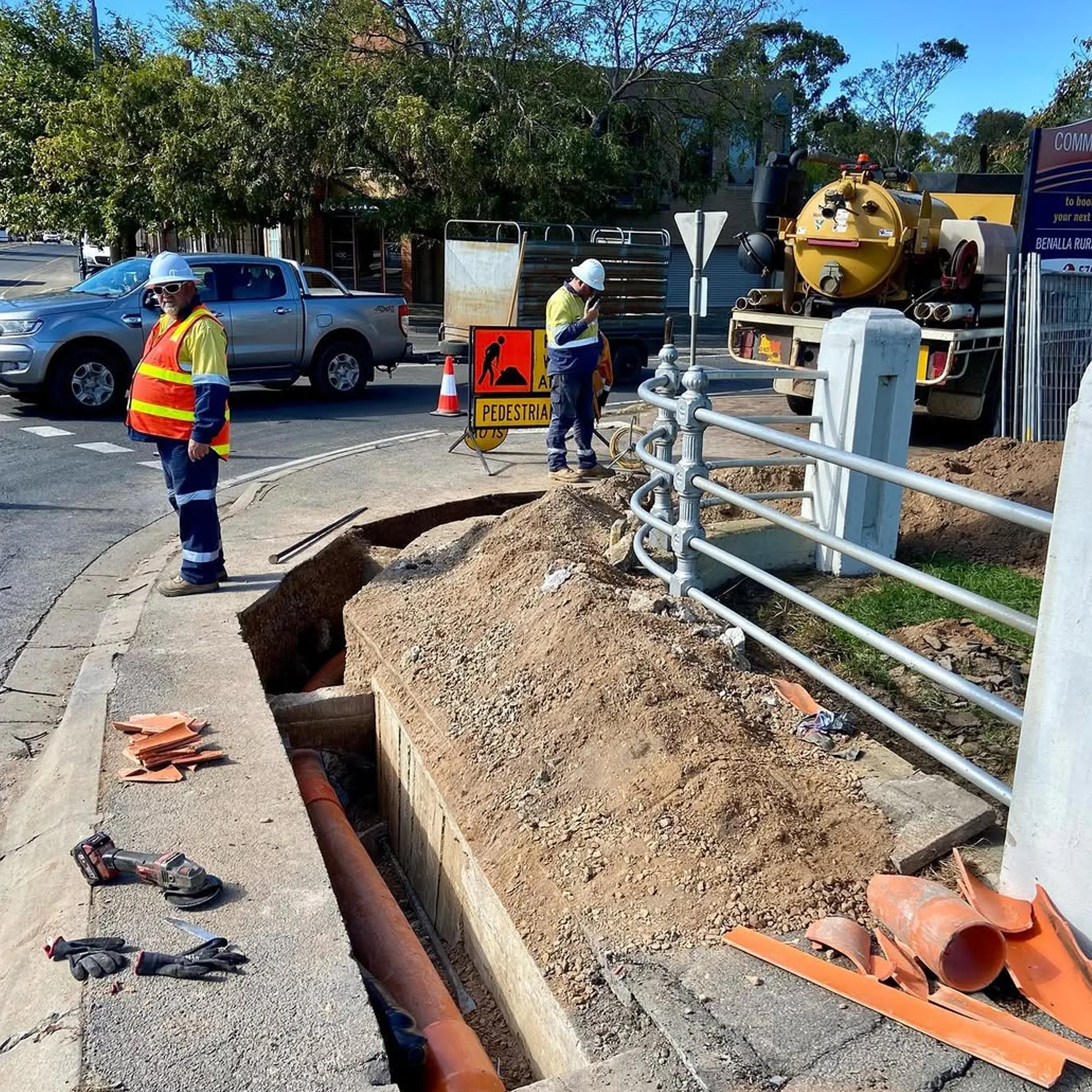
A gas leak has a way of turning from something of a nuisance to a danger in short order. If you’re facing plumbing issues, especially in Collingwood, Collingwood burst pipe help can be invaluable. But there is no need for panic, the initial response is generally simple enough.
Both natural gas and LPG safety in Australia come down to early recognition and clean decisions, and not least in sidestepping any electrical spark. People do not always give enough weight to that. A garage remote, a phone being charged or the light switch can all be badly timed should gas have accumulated in a confined space.
Expectation Vs Reality
You would think a gas leak means an assault on the senses and chaos. Some are more understated: a pilot that will not stay lit, a hissing bayonet fitting, an odd headache in a room with poor ventilation or a faint odour at the meter. The trouble is people let delay get the better of them and hold back until they have firmer evidence.
So take this to heart: do not make a project of monitoring it in the house. The guidance across Australia is to put your safety first and leave the diagnosis for after.
Early Signs
If you are on the look out you will see them and have more control over the situation. They are not exactly cinematic but clear enough. Reticulated natural gas in Australia is odourised for a reason, and LPG will give you warning signs of its own in and around cylinders and storage.
What to be on the alert for
The odourised gas will have a rotten egg smell to it. Then there is the matter of unexplained spikes in your usage, dust behaving oddly about an external pipe, or plants looking the worse for wear near an underground line.
Indoors or at the meter you may pick up a sulphur or rotten egg scent. There could be hissing or a whistle from a regulator, cylinder or appliance. Or perhaps sooty marks, condensation and an underperforming appliance. With LPG you might find the problem at the hose, valve or caravan fittings. Households in Australia will often report a leak at the service line or meter box by smell alone. An outdoor odour can be deceptive as to its source.
Where People Go Astray
To equate the strength of the smell with the level of danger is a mistake. Open air will carry a stronger smell but a small leak in an enclosed spot is far more hazardous. Then you have those who will crouch for a better sniff or put a torch to it with their phone. It is best to let the professionals do the detecting, those with the training and the gas detection equipment that Australia’s own suppliers and technicians have confidence in.
Safe First Steps
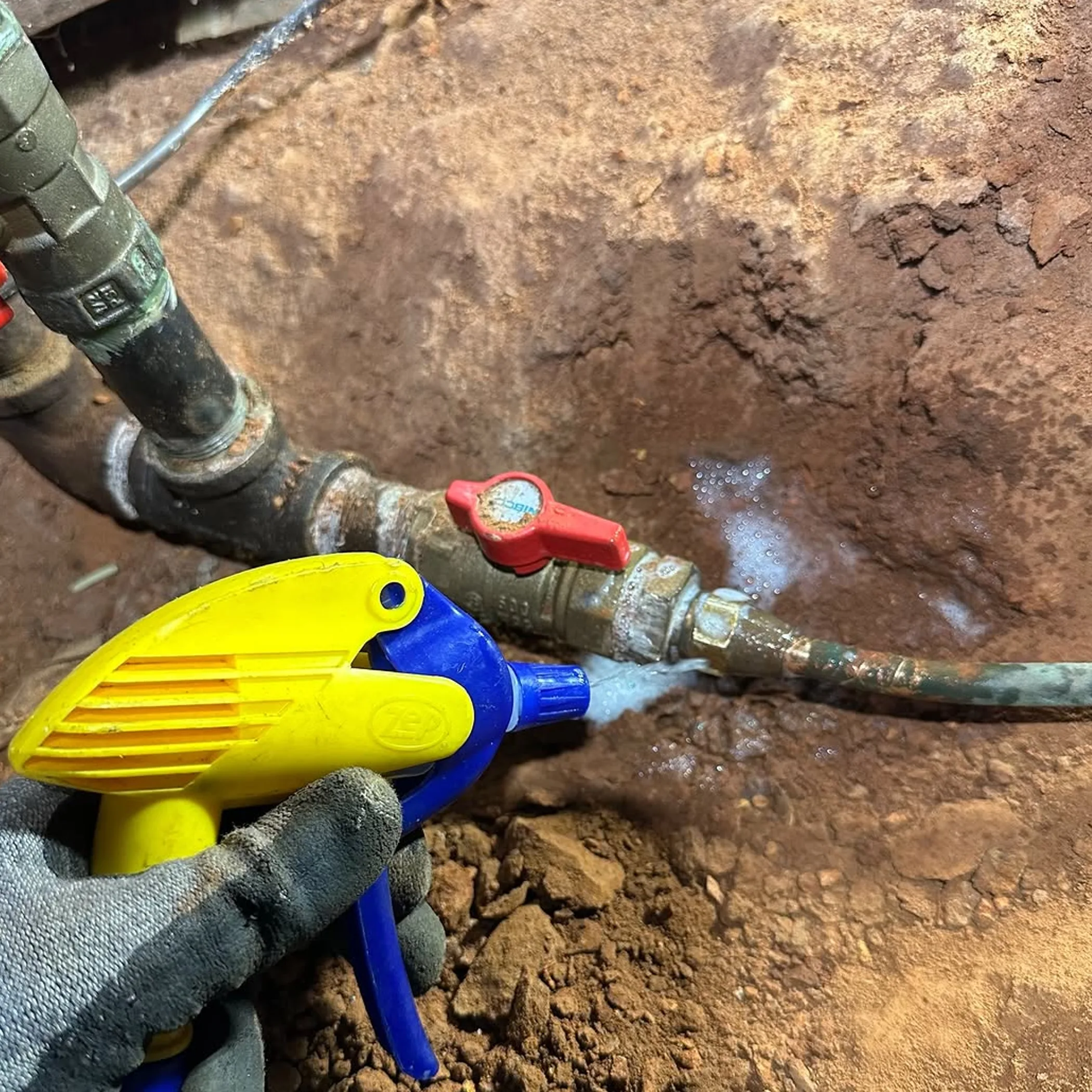
When a leak is suspected you must follow the correct order of things. There is no room for improvisation here, nor for any brand of home heroics that has the neighbours looking on from the footpath.
Life safety is what counts: see that people are moved to a safe distance, mitigate the risk of ignition and get the necessary emergency support. Be sensible and disciplined in your response even should the leak prove to be of little consequence.
How to Respond in the Home
Put away the matches and lighters, leave the doorbell and electrical appliances well alone. If conditions permit, shut off the supply at the cylinder valve or meter, ventilate by opening up the doors and windows and switch off any running appliances. Then have everyone clear the area.
Should there be a strong odour inside, or visible damage, or any fire and explosion worries, put in a call to 000 from somewhere safe. Safe Work Australia has some sound advice on hazardous atmospheres and controlling ignition in flammable ones; their guidance on hazardous chemicals is worth a read.
Not a Job For The Do It Yourselfer
A novice is not going to get this right, nor is anyone who thinks he can put “just enough” pressure on a fitting. Any doubt as to a leak in an appliance, regulator, meter connection or fixed pipework calls for a licensed gasfitter, as the rules in Australia dictate for such work.
One sees it with household emergencies of all kinds: someone will look for one thing and assume the same aplomb is warranted for another. You may find a person seeking out Collingwood burst pipe help is now of the mind he is a utility troubleshooter. But the stakes are higher and it is a different skill set altogether.
Making The Right Call
After you have put immediate safety in place, contact the appropriate party. What that is will depend on the state, the property and where in the system the leak is thought to be.
In the event of a severe active leak, injury or danger of fire and explosion the number to have is 000. With distribution matters you might have to go to your local gas distributor, not simply your energy retailer.
Network And Emergency Contacts
An apparent leak at the gas meter, service line or street connection means you put through to your local gas distributor and the emergency services if there is any risk at hand. In some parts of the country that could mean AusNet Services, ATCO Australia or Australia Gas Networks. AGL or EnergyAustralia can point you in the right direction but they are not invariably the owners of the infrastructure.
The confusion between retailer and distributor is where most people make a mistake. You are paying one outfit while another may have title to the metering and network assets. When the smell is of any strength, put aside the admin and dial 000, then once you are in the clear the local distributor.
Meter Side Costs
Who is on the hook for a gas leak at the meter in Australia is a matter of where the fault is found. On the customer side of the house, be it the pipework or an appliance, the owner of the property will generally have to foot the bill for repairs. The network side would be the distributor’s responsibility. Under state tenancy laws a tenant would be well advised to inform the landlord or property manager forthwith given the urgency of the repair.
On The Subject Of Detectors
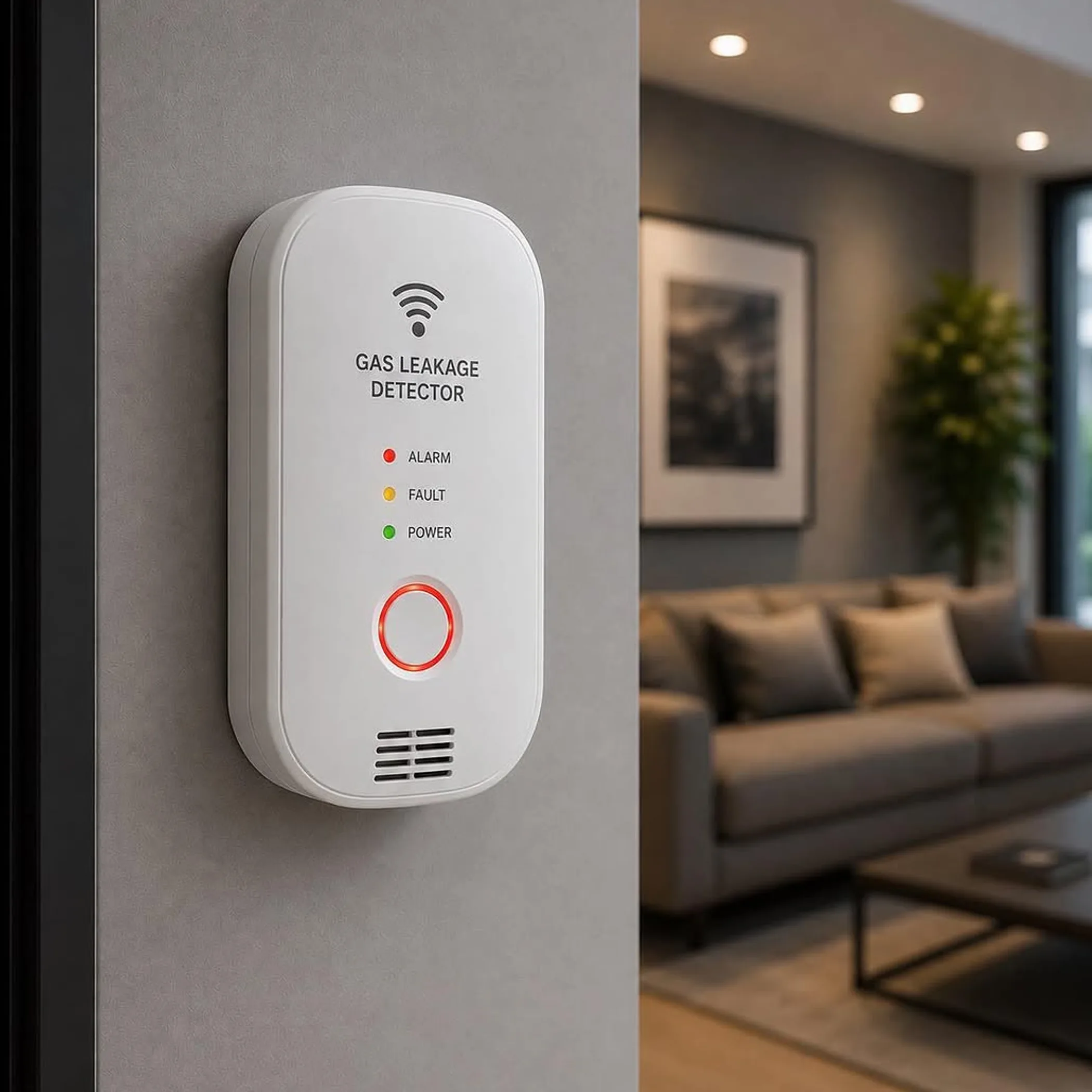
There is a use for a gas leak detector, though to buy one without knowing what it is you are detecting is rather like putting on your gumboots for a trip to the beach and thinking yourself prepared. Whether you have a caravan or a plant room, a portable or fixed unit will be called for depending on the type of gas, how well ventilated the space is and so on.
Portable Or Fixed?
| Option | Best For | Typical Strength | Watch-Out |
| Portable Gas Detector | LPG bottle areas, caravans, trade and spot checks | Easy to carry about | Calibration and bump tests are needed as well as battery |
| Fixed Gas Detection | Enclosed service zones, workshops, plant rooms | Alarms and monitoring are constant | Servicing and installation come at a cost |
| Combustible Gas Detector | Where there is flammable gas | To pick up explosive atmosphere hazards | Has to be suited to the environment and the gas in question |
Sensor Types
You will find catalytic, infrared and PID among the more common sensors. PID is for the most part put to use on volatile organic compounds rather than routine methane in the home. For combustible gas a catalytic sensor is the workhorse; infrared has its place in some fixed applications or where oxygen is low. In an industrial context one might see a device with several sensor types for confined space monitoring.
The mistake is to think a detector is a catch-all for any gas. It is not. One has to pair the device with the hazard and the environment, be it for trade diagnostics, domestic warning or to meet industrial compliance. Gas Detection Australia and MSA are but two of the suppliers in this field, although Bunnings and other retailers have their share of consumer grade units and accessories.
Know The Rules
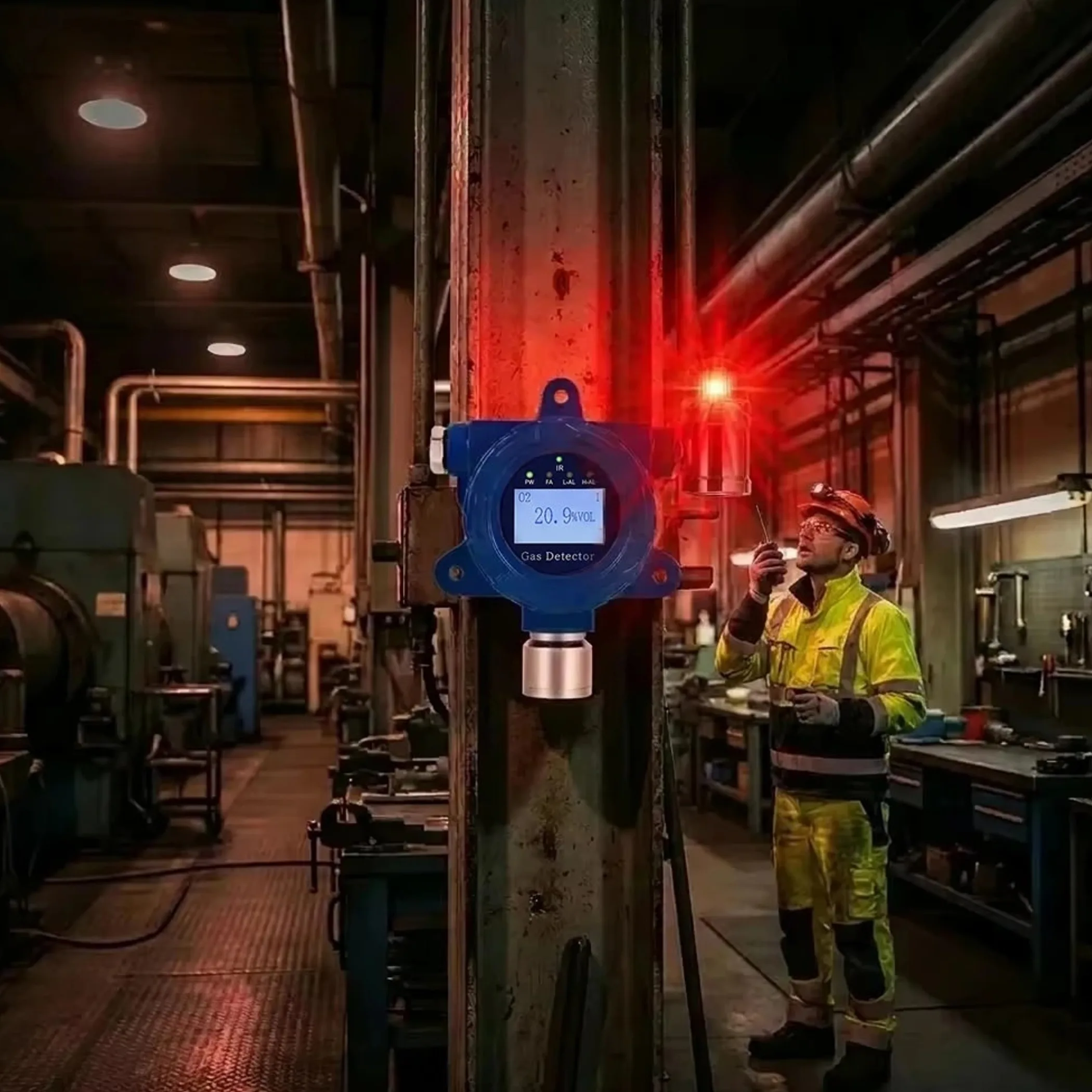
A safety device is only as good as its installation and maintenance. There is no blanket rule in Australia that applies to every detector in every home, yet workplaces and those doing gas work face unambiguous compliance demands.
When it comes to specifying or purchasing equipment, do not be swayed by marketing copy. A “professional” label on a nice box is of little consequence if the device is not up to the risk.
Compliance And Standards
The standards for a gas detector in Australia are dictated by the environment and what it is being used for. AS/NZS 60079 is an important series for explosion-protected electrical gear and hazardous areas. Any business should make sure the detection devices they put in place can handle the duty cycle and area classification.
For the household the legalities tend to centre on the gas work. That calls for a licensed gasfitter for all repairs and alterations. Commercially you cannot do without service records, alarm testing and documented calibration, particularly when there is a fixed detection system in place.
Don’t neglect Calibration
People will put off the maintenance and calibration because it is not something one wants to do on a Saturday morning. But an uncalibrated instrument gives you a false sense of security which is nearly as bad as none.
In the course of trade work or when you have a rental unit, it is worth asking what was last calibrated and against which gases, and if a bump test is in order. Confined or industrial work may call for a formal leak survey and procedure.
Engage A Proper Tradesperson
A suspected leak at the meter, regulator, appliance or in the pipework requires a licensed gasfitter. An internet search will turn up varying degrees of competence, often with more confidence and less substance and opaque pricing.
One would want an operator who can put it in plain English: what they are testing, their findings, if anything needed isolating and the safe way forward.
How it should go
The technician will do his rounds: isolate as necessary, check ventilation and appliances, run a combustible gas detector over the fittings, pressure test the line and determine if the problem is with the customer or distributor. With LPG he will look at the changeover valves, regulators, pigtails and bottles.
A reported leak at home is usually dealt with in short order, though a non-urgent appointment can take longer. In the city parking and access is an inconvenience. Apartment dwellers should see that the way is clear to the plant and meter rooms before the technician arrives, to avoid the customary twenty-minute wait.
What to expect cost-wise
There is a wide variance in the price of a repair. You have parts, location, after-hours callouts and how long the diagnosis takes. If walls or underground come into play, or the pipe needs replacing near the meter, costs can be steep. A simple inspection is another matter. Should the network be at fault the distributor will attend, but not for your side of things.
Some will tout a free check across Australia. A distributor may have no charge for looking into a network leak but private work is not done for nothing. Make sure you know what you are paying for, from the callout to the labour and report.
Have a plan at home
It is not as exciting as an emergency but a bit of prevention is cheaper and more sedate, and you will not be out in your socks. Most households would be surprised how much a simple routine can uncover. In a good way, the most effective systems are unremarkable. They do not require a moment of safety zeal to be put in place; they are simply easy to recall and can be run time and again.
Gas Safety Checklist
- Locate the main gas isolation and ensure it is within reach of the adults in the house.
- Be on the alert for a hissing noise, an odour of rotten eggs or if the pilot goes out with some regularity.
- Have your gas appliances serviced as you would with any legal requirement or at the behest of the manufacturer.
- See that meter and cylinder areas are kept free and well ventilated along with the appliance zones.
- Regulators, valves and gas hot water systems should have no clutter stored about them.
- A properly maintained gas leak detector is worth considering for an older home, caravan or holiday rental.
Who is this for?
Families, landlords, small hospitality venues, owners of caravans or holiday accommodation and older homeowners will find this method to their advantage. Those running a workshop, basement plant room or commercial kitchen are better off with a fixed gas detection strategy and a more formal risk assessment than a domestic arrangement.
Where there is a history of unauthorised work, multiple gas appliances, enclosed service rooms or old pipework with a tendency to smell, a DIY-only course of action is not advisable. An expert’s assessment is its own justification in those cases.
Buying Versus Hiring
There is no need for every household to part with cash for equipment. Some only want an inspection now and then. Trades and facilities teams, for instance, will want calibrated units on hand. Let practicality win over any gadget lust: rent for the odd technical check, buy what you will use repeatedly and put in for a gas leak detection service when you want the matter diagnosed and someone to hold to account.
Sourcing Your Equipment
You will find entry-level safety gear at Bunnings and the like. For anything of a trade, commercial or industrial nature where you must have your calibration records and compliance support in order, go to a specialist such as MSA or Gas Detection Australia.
But for the homeowner, the day is best spent confirming emergency numbers and the location of the isolation point, seeing to the ventilation of appliances and making a booking for any service past due. There is no substitute for being ready for it, however fine the kit may be.
A word to the wise

All gas leak detection in Australia comes down to three things: early recognition of the signs, a response that does not invite ignition and swift assistance from the right people. Should one come across the smell of gas, do not be tempted by trial and error or to tinker with a switch, and do not think a faint smell is any less of a danger.
Simon Bradshaw would put it like this: have a plan in place before it is called for. Be respectful of a suspected leak rather than bold about it. It is not a drama, just sensible.
FAQ
The sort of questions one puts forward after a whiff of gas and before any self-doubt sets in. We will give you the straight answer.
Australian Standards for Gas Detectors
You will not find a rule for a detector that fits all sites and homes. In a hazardous workplace the AS/NZS 60079 series and other requirements may dictate the choice of equipment. The important thing is that the detector is up to the task of the risk and environment and is looked after.
Paying for a leak at the meter
That is a matter of where the fault lies. A network operator might take responsibility for a leak on the supply infrastructure side of the meter. But for the house pipework or an appliance connection the owner is generally on the hook for the repair. Tenants are well advised to report it at once, the landlord or agent may have to follow urgent repair rules.
Safety protocols in the event of a leak
Turn off the gas if you can do so without risk and the appliances, get people out of the area and put on some ventilation provided it is safe. Steer clear of electrical switches and flames. In case of immediate peril dial 000. Then put in a call to the gas distributor or a licensed gasfitter as the situation warrants.
Is a check on a gas leak free of charge?
Not invariably. A distributor may make an appearance for a suspected network leak at no cost to the occupant but you will be charged for private work on the customer side. Do not be taken in by “free gas leak check” offers without asking what is entailed.
In a manner of speaking, yes, yet one would not put it in place of taking action. For that matter, a detector is useful to aid with the monitoring or for particular arrangements like in a plant room or workshop, or with caravans. But should you detect the odour of gas, do not stand by and let a device validate what your nose has already picked up; the safety response is called for first.
