The 2026 safety standards for the maintenance of high-rise buildings in Australia call for a level of coordination when it comes to structural risk, building and work health and safety, fire protection and the like. It is incumbent on contractors, facility managers and owners of such properties to put in place controls over risk, spot hazards and have on hand evidence that any maintenance has been done in a safe and orderly fashion.
There is no need to overcomplicate it. The solution is to put in place competent staff, do your inspections of access systems, document your risk controls and adhere to the National Construction Code, Australian Standards and whatever WHS laws are in force in the state or territory. But since the particulars will vary with the building and the jurisdiction, any decision on compliance needs to be measured against what the regulator and the building’s approval papers say. Simon Bradshaw has put this guide together for commercial property teams in Australia who prefer to deal with an issue on paper before they are halfway down a facade.
What The 2026 Rules Entail
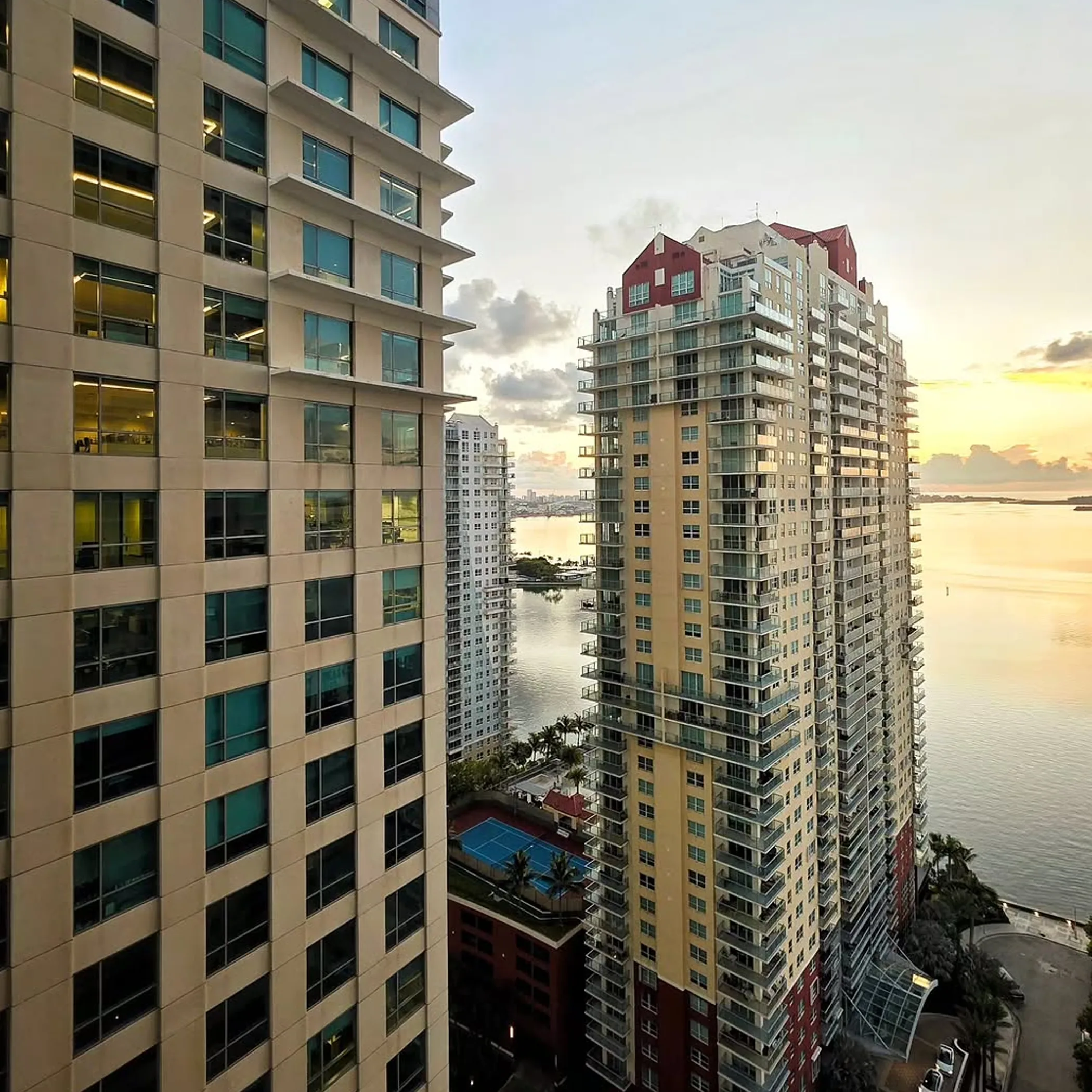
Maintenance of a high-rise, including specialist high rise cleaning, is not just a matter of putting in new light fittings or a clean window. The safety framework is concerned with the condition of the building, the method of work, the equipment, the people in its vicinity be they occupants or members of the public and emergency arrangements.
Where NCC 2025 provisions come into play the National Construction Code will set the performance and construction requirements. WHS laws will govern the planning and execution of the work. For technical matters like fall protection, scaffolding, fire safety or access installations there is guidance in the Australian Standards.
Know Your Legal Position
It is best for owners and managers to consider three separate questions. Does the building meet its construction and approval requirements? Is the maintenance being carried out in a manner that is safe under WHS law? And has any essential safety system or equipment been maintained, tested and inspected as per its specification and the relevant Standards?
They are interrelated but one does not preclude the other. You can have a compliant building and an unsafe way of working. An anchor point may be unsuitable for even a well trained worker. Block off a fire safety system with some stored materials and it will fail despite having been put through its paces recently.
For national perspective on the hazards of working at height one can refer to Safe Work Australia. Do not overlook state regulators either, as enforcement, notification and licensing rules are not uniform.
WHS Obligations of the Manager
As a rule, the onus is on the owner or manager of the property to see that common areas and the workplace are kept reasonably safe. How the legal duty is defined is a function of control and contract and ownership, but a contract is not going to make WHS responsibility vanish.
Part of managing the building is to give accurate information, put contractors in order and act on any known hazard. Make certain your workers know the site rules, how to communicate, where the exclusion zones are and what to do in an emergency.
Get Ahead of the Contractors
Before they turn up a good pre-start process will note the roof edges, the height of the building, the facade, plant rooms and any electrical services in the vicinity. Put down in writing the weather limits, the loading and access points, rescue plans and any tenant or authority restrictions.
Contractors are to put forward a risk assessment and a safe work method statement if called for. This should be about the job at hand and not some generic text lifted from an earlier project; it should cover how the work area is to be reached and secured, how tools and dropped objects are managed and how the location is left safely.
Do not be in the habit of giving a method statement the nod without seeing if the building can stand up to it. A rope access plan means little on a roof with no certified anchors, nor does a scaffold plan if the platform is not up to the materials you want to put on it.
A Record of Compliance
Compliance in a commercial building should leave a trail. Have on file the inspection reports, defect photos, repair and training records, permits, SWMS, close-out notes and evidence of competency or licences.
When a later manager wants to know what was checked, “Checked OK” is of no use. The record should spell out the asset, the date, the organisation or person doing the inspecting, the defects and what was done about them and when the next review is due.
Falls Are to Be Prevented
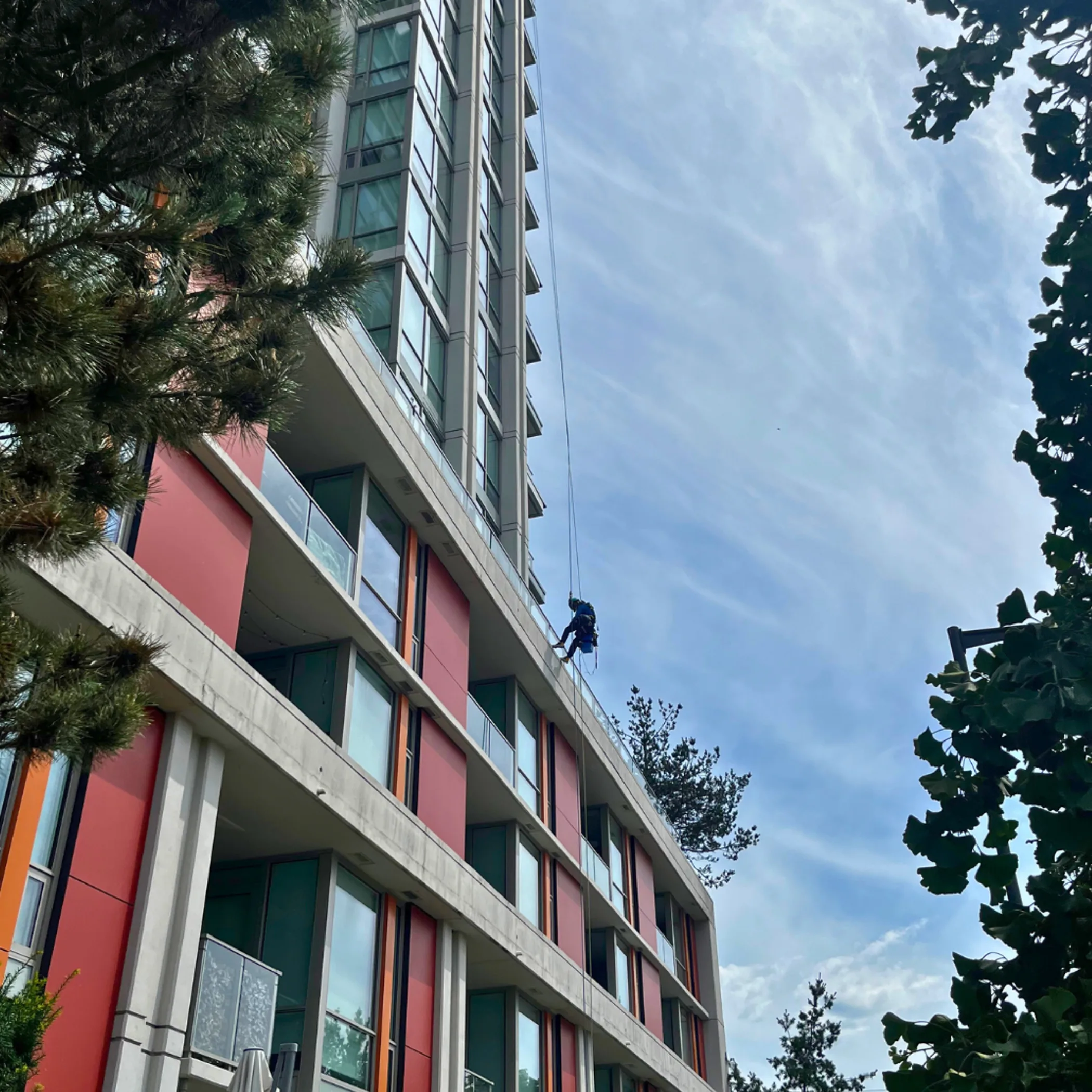
Across Australia the requirement for working at height is a question of risk management, there is no magic height at which safety commences. By way of definition, work at height is any task that carries the risk of a person falling from one level to another and being injured, be it through an opening or off a surface that is not to be trusted.
One should favour fall prevention. That means eschewing the height if you can, making use of a safer means of access and putting in place physical barriers or a proper work platform. While harnesses and lifelines are part of the equation, they are no replacement for good planning, training and rescue arrangements.
A Practical Control Hierarchy
The first question is whether the job can be done from the ground, within the building or on a permanent fixture. Failing that, put in guarded or elevated platforms, scaffolding or some other engineered solution before you resort to personal fall protection.
Should a harness be called for, then there must be compatible gear, adequate anchor points and clearance below as well as a plan for rescue. A man left hanging in his harness will not hold up for long. One may have to ring emergency services but that does not make for a sound rescue plan.
Then there is the weather. Wind has a way of making facade panels, tools and suspended platforms hard to handle; rain will turn a roof or ladder into a slip hazard. In the north of Australia a cyclone alert between November and April will put paid to your work plan in short order. The south has its own issues with strong fronts and the summer heat.
Protecting Those Below
Safety in high-rise facade maintenance extends to the people on the footpath. Put up exclusion zones and the necessary signage and barriers, tie down your tools and materials and liaise with tenants and delivery drivers. Even a scraper put down to get at a recalcitrant sticker is a hazard if it is dropped.
Managers would do well to look into local permit and traffic control rules where a road, public footpath or adjoining property could be impacted. Equipment, hoses and the like should not be allowed to encroach on emergency exits or block access routes.
An Eye On Facade Access Systems
You will find all manner of access systems in Australian buildings: davit arms, static lines, bosun’s chairs, ladders, roof anchors and so forth. They each have their own demands when it comes to design, operation and inspection.
Anchor points in particular warrant a close look. They may appear fine and yet be unsuitable. Confidence in the system can be eroded by corrosion, water getting in, movement, an installation gone wrong or alterations for which there is no record.
Inspection Of Anchors And Equipment
Any testing of access equipment has to be in line with the manufacturer, the regulatory environment and the applicable Australian Standards. There is no uniform interval for inspection; it will vary with the type of equipment, the conditions and what a competent person advises.
Workers ought to do their own visual and functional check before they start. But a formal inspection is meant to go deeper than the surface, looking at fixings, welds, load paths and the structure around them. Do not be taken in by the fact that a contractor made use of an anchor point last month and think it is safe. Familiarity is not verification and is a trap in maintenance.
Choose Your Method
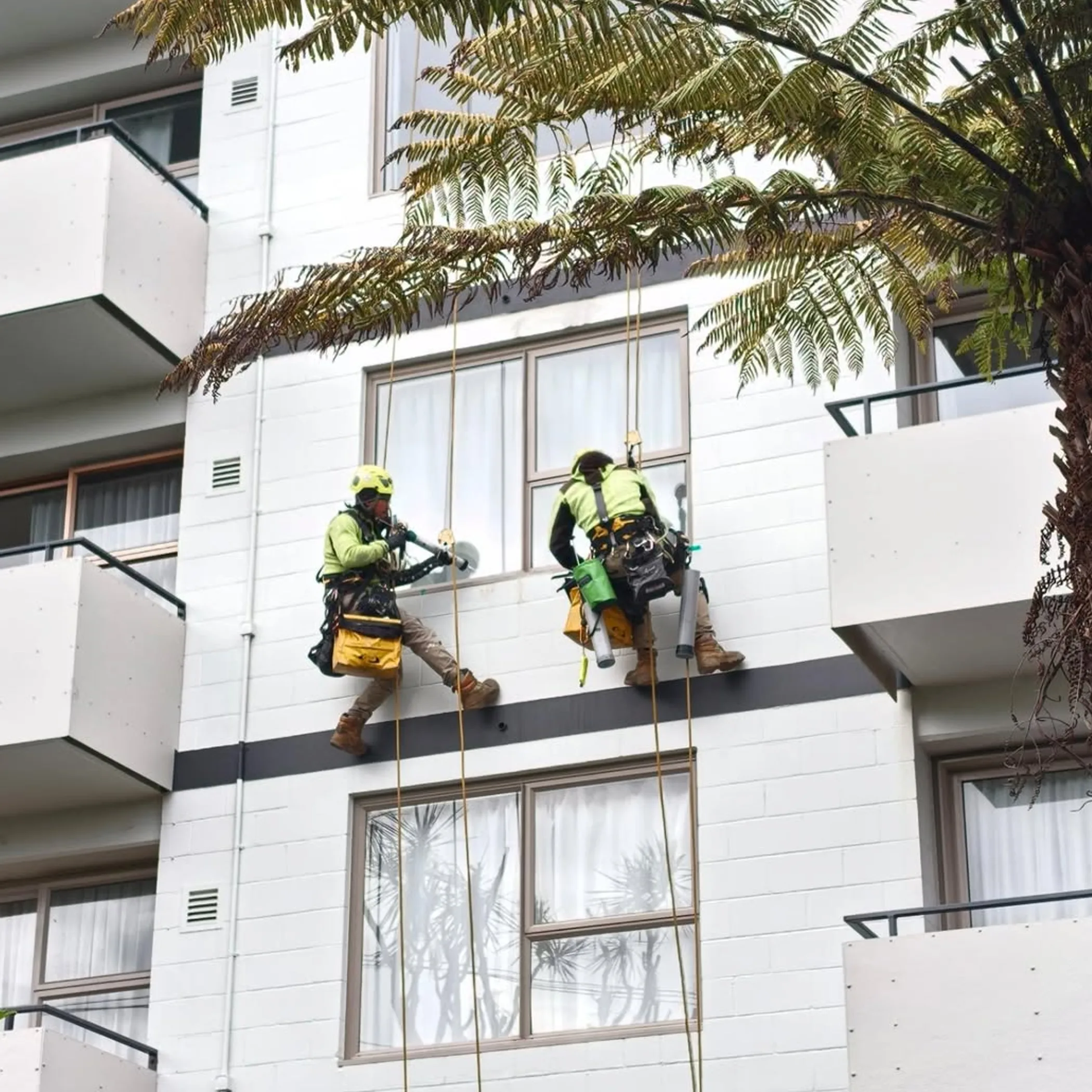
Rope access has the advantage of less disruption and quicker set up, provided you have the right technicians, anchors and a method to match the facade. Scaffolding is more stable and will accommodate several workers but it calls for solid foundations and controls for the wind and the public. An elevated work platform might be the answer for an internal atrium or lower levels; a suspended one for regular work on the facade, assuming it is in good order. In the end the safest method is the one that puts the risks in hand, not the one with the lowest figure on the quote.
| Access Method | Useful For | Main Controls | What Catches People Out |
|---|---|---|---|
| Rope Access | For cleaning, repairs and targeted inspection of the facade | Certified anchors, two-rope set ups as needed, a rescue plan and exclusion zone | Wind limits, poor planning and anchors that are not up to the task |
| Scaffolding | Stable platform for longer running work | Proper erection, edge protection, ties, base stability and keeping the public at bay | Overloaded decks and unauthorised changes |
| Suspended Platform | Broad facades where access is repeated | Operator competency, communications, overspeed and emergency systems | Incomplete checks and a platform that gets stuck in bad weather |
| Elevated Work Platform | Service areas and accessible elevations | Training, ground and overhead checks, exclusion zones | Limited reach and uneven ground |
Fire And Emergency Systems
High-rise fire safety is a matter of keeping accurate records, ensuring there is clear emergency access and a disciplined approach to inspecting the essential systems. What is required of the building will be dictated by its occupancy, the conditions of approval and the state or territory, as set out in the fire safety schedule.
All of the following require proper inspection and upkeep: fire and smoke doors, alarms, sprinklers, hydrants, fire indicators, emergency lighting, exit signs, evacuation equipment, as well as smoke control systems. There is no point in a system being technically in place if it is damaged, out of reach or otherwise isolated; it will not perform as intended.
Fire Doors: ensure they are in working order
Properly closing and latching is a must for fire doors, as is having the right gaps, hardware, seals and signage while being kept clear of any unauthorised wedges. Maintenance staff ought to put in a report on anything amiss, be it propped open doors, hinges in poor condition, an altered lock or a self-closer that has gone missing.
One should adhere to manufacturer’s instructions, the pertinent approval documentation and Australian Standards when maintaining fire doors. The frequency of inspection is dictated by the jurisdiction and the system itself; managers would do well to consult the governing requirements rather than impose a blanket calendar rule on every building.
Emergency access is to be protected
The emergency plan needs to make provision for everything from a power outage or severe weather to a fire, falling objects, an unstable facade, suspended access gear and rescuing a worker. It should be clear who is to ring the emergency services, contact the occupants and cordon off the exclusion zone, and where responders will come in.
Facilities teams have to see that the fire brigade can get to their access points and that stairwells, fire-isolated exits, hydrants and fire control rooms are there when needed. Any temporary changes in the course of maintenance must be noted and made known to those in the building. Local rules may call for notification or other controls should a system be taken out of service.
Don’t overlook structural and facade risk
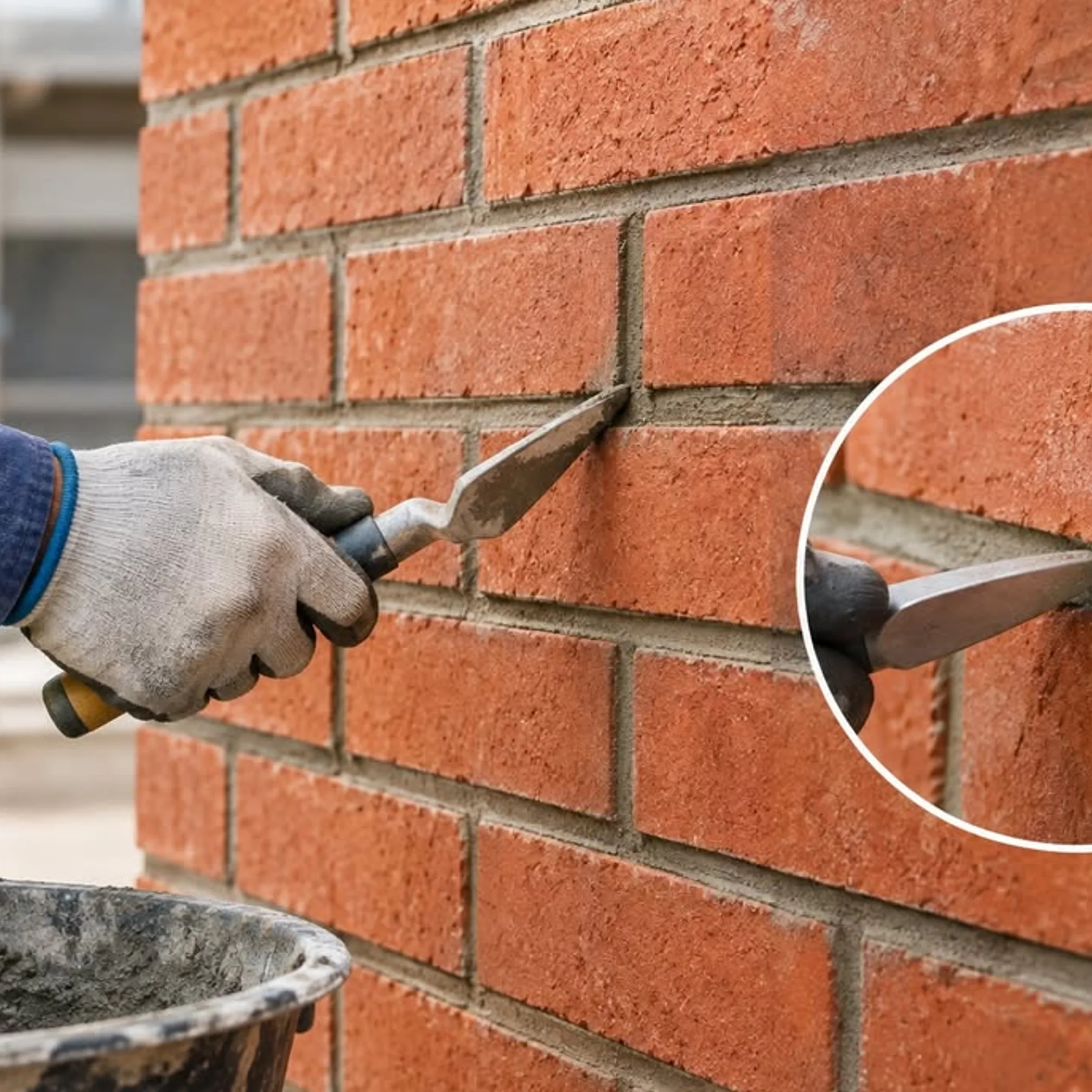
Integrity of structure is something that has to be maintained, not left as an engineering report in a file. Risks to the public and workers can arise from water getting in, cracked concrete, masonry coming loose, corroded fixings, sealant failure, a broken balustrade or cladding out of position.
An assessment of the facade should be comprehensive, encompassing roof edges, parapets, balconies and windows, even those not readily seen from the ground. A professional with the right qualifications should be called in to have a look if there has been unusual cracking or damage from water, vibration, storms or construction in the vicinity.
Be prompt about defects
A good photograph will convey the scale and location, not just be a close-up for effect. Put the defect on the floor plan or elevation, put a deadline and an owner on the corrective work and cordon off unsafe spots. Where there is a possibility of material coming down, put in some temporary measures until the job is done properly.
Too often the process is mishandled and maintenance becomes a collection of separate tasks. A leak in a window will ruin fixings, a bad seal will lead to corrosion, a minor crack may be indicative of a more widespread movement problem. One has to ask what lies behind it and what else might be at risk, not simply whether it can be patched up.
Compliance checklist
For property teams in Australia this is a useful way to begin, though it is not a substitute for the building’s approvals, the guidance of regulators, an engineer’s design or legal counsel.
- Duty holders, maintenance contracts, the fire safety schedule and building approvals should be verified.
- Put in place a risk assessment for any work at height or in the plant-room, on the roof or facade before commencing.
- Have the contractor provide a safe work method statement if the situation warrants it.
- Make sure workers are competent and licensed, that there is adequate supervision and training on the equipment and the means to carry out a rescue.
- Before putting them to use and at the appropriate times, go over the scaffolding, ladders, harnesses, platforms and anchor points.
- Tools are to be secured, the public and occupants and traffic in the area coordinated with and exclusion zones put in place.
- Do a check on the fire service access, exits, essential safety and fire door systems and the like.
- Any repairs, isolations or concerns with the structure or facade should be put on record along with the close-out actions.
- When the contractor changes or there has been an incident or alteration to the building, or after a bout of bad weather, the plan calls for a review.
Where to focus first
On a high-rise building one day is all you have to make a review, so attend to the risks with the highest consequences. That means looking at any work above the public, defective fire doors, blocked routes for an emergency, unverified height access and any facade problems you know of. One gains more from these checks than one would by putting the finishing touches on a spreadsheet with an anchor register still to be accounted for.
When taking on a new contractor, put in the time for induction, to check equipment and roof access, to coordinate with the tenant and for any weather that may hold you up. A facade job can deceptively look straightforward from the footpath yet take hours of preparation to get to the first work area. On the coast where the wind is exposed, it will put a stop to suspended operations even if conditions are agreeable at street level.
Any high rise cleaning done by workers in the vicinity of edges, fragile surfaces or the public should be regarded as safety-critical maintenance. The discipline of planning is called for in equal measure for sealant repair, painting, inspection, cleaning or the replacement of facade components.
Frequently Asked Questions
What Safety Standards Are In Place For High-Rise Maintenance?
There is no all-encompassing document in Australia for every task; what applies is dictated by the risk profile, the building and the work activity. Generally speaking the framework is a mix of state or territory WHS legislation, the NCC 2025 where it is pertinent, the National Construction Code, Australian Standards, fire safety rules, manufacturer’s instructions and the like.
Working-At-Height: What Is Required?
Duty holders and employers have to put in place controls to do away with or at least reduce the risk of falls. This could mean guardrails, scaffolding, platforms, fall arrest or restraint systems and better ways of accessing the work. Workers must have the right training and gear and a rescue plan in the event of a fall.
On Whom Does Building Safety Rest?
It is a matter for whoever designs, supplies, performs, owns, manages or has control of the work. Owners and managers cannot simply leave all duty to the contractor. The contractor will have to control his work but the owner must supply the necessary information on the building, sort out hazards he can and make sure activities are coordinated.
Do You Need Anchor Points To Work On A Facade?
Not for every task, though a system for fall protection will call for anchorage that is certified or engineered to suit. Do not let a worker make use of some handy pipe, railing or roof fitting that has not been put to the test as to its condition, capacity and location.
Is Rope Access The Safer Option Over Scaffolding?
You cannot say one is safer than the other. Scaffolding gives a firm footing for a more extensive or protracted job, rope access is suited to targeted work and keeps disruption off the ground. It comes down to the competency of the worker, the facade itself, how long the job will run and the weather.
How Frequently Must One Inspect Safety Systems?
That will depend on the risk, the system in question, usage and the jurisdiction. Fire systems and structural elements have their own schedules to follow. Make a record of inspections and any corrective action taken instead of an informal nudge; go by the most specific requirement at hand.
In What Way Should Fire Doors Be Maintained?
They must be left unobstructed, with the proper seals and hardware in place, and they should latch and close without the aid of an unauthorised wedge. A door that is neat enough to look at but will not close is not acceptable. Have them maintained and inspected in line with the Australian Standards and whatever the approval documents and fire safety requirements dictate.
Keeping The Building Safe

Compliance in high-rise maintenance is something of an ongoing exercise in management. The way to be sure of it is to know the building and its risks, have your evidence as to what was done and when, and see that the fire and structural assets are looked after.
Experience in hotel operations has taught me that if there is no one to see a matter through, a small failure is not going to stay that way. A frank word on unsafe access, a work method that has been properly vetted and a register in order will head off trouble. That is what one should be aiming for in 2026, to have sound buildings and safe work with no unpleasantness in store above the footpath.
